English

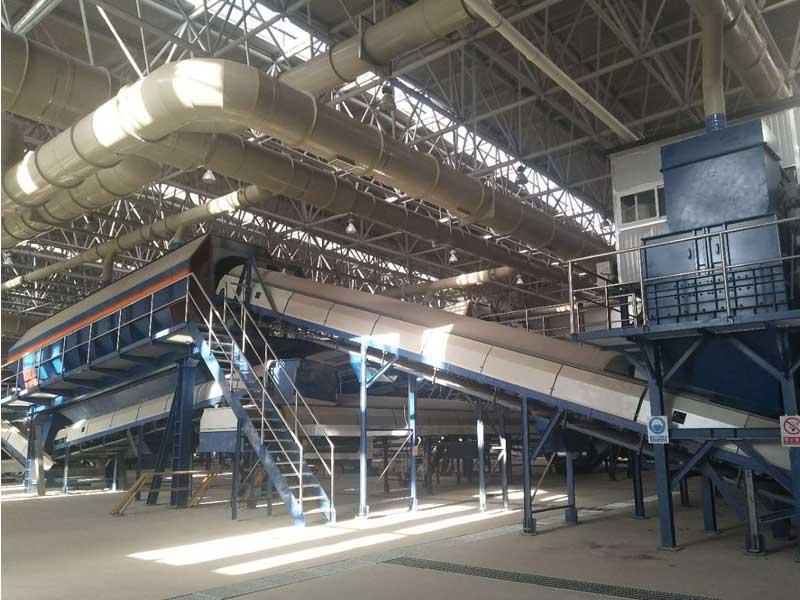
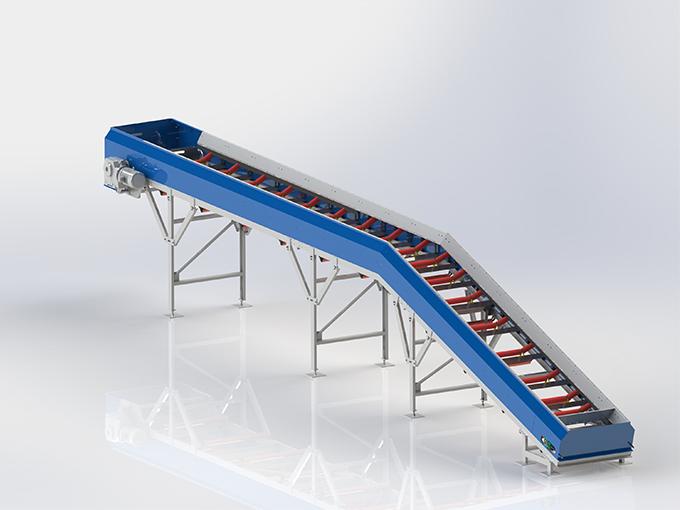
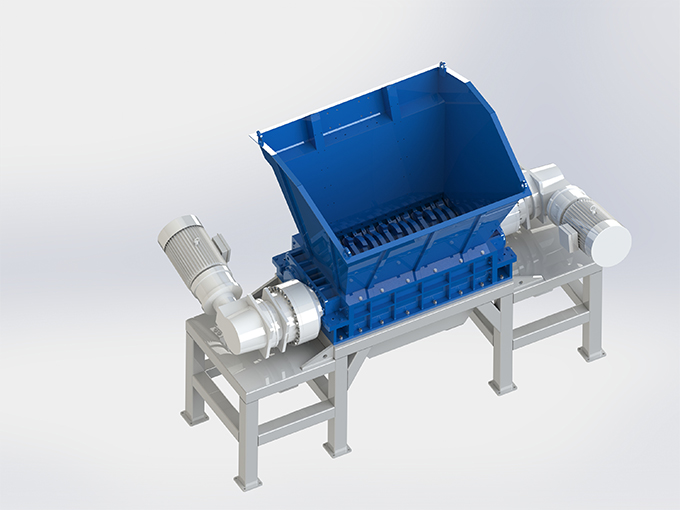
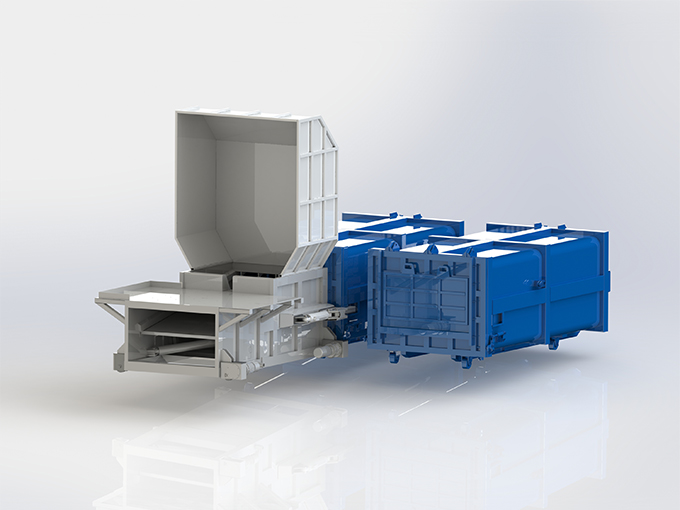
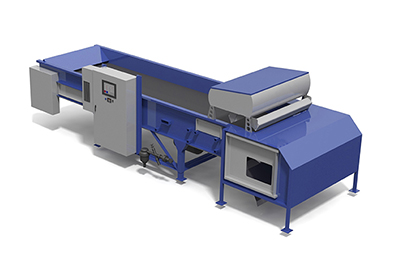
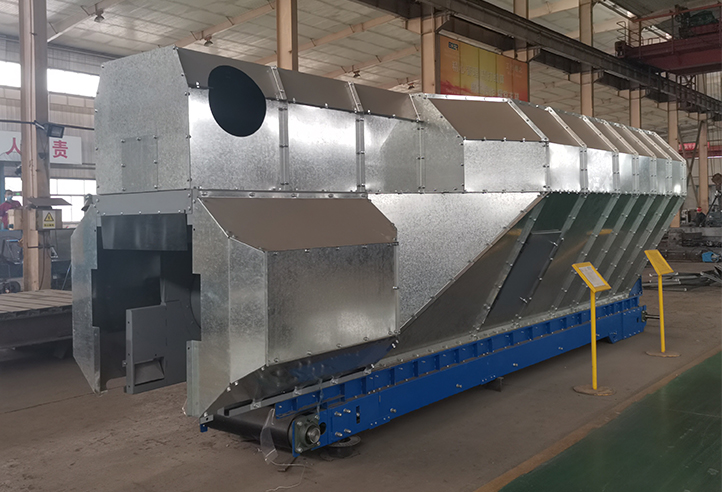
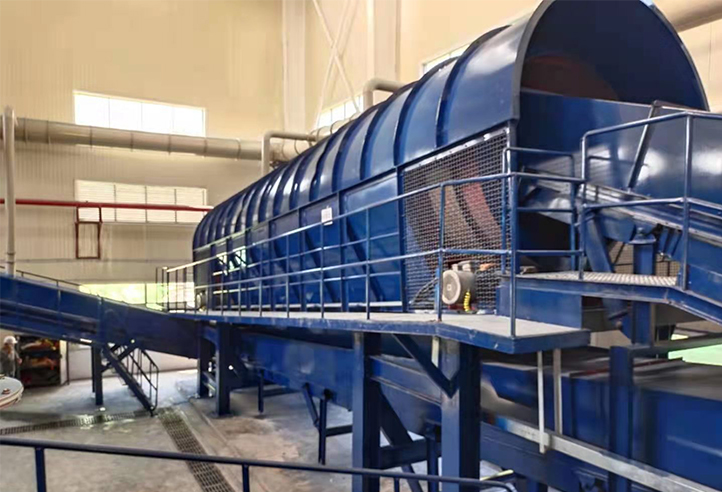
The waste stream is blown by wind and air in the air separation system, which subsequently employs gravity to separate the trash. A conveyor transports a waste stream to the separator, where heavy wastes with solid shapes (such as glass bottles and plastics) are delivered directly to the separator's bottom. Plastic and glass bottles are the first to fall, then light wastes like film and paper are blown away from the blower's air flow and land on the end conveyor for separation. The air flows through the separator as the cyclone collects the dust.
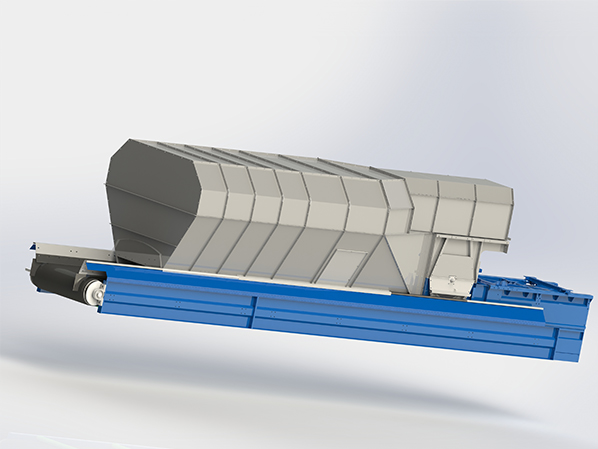
This device, which is primarily made up of a material conveying system and a blower system, has a simple structure, a good operating effect, and is simple to maintain.
To achieve the desired wind sorting effect, the feeding conveyor angle and air nozzle angle can be adjusted, and the feeding angle and nozzle angle can be flexibly modified according to the material composition.
The separation chamber's inlet and outlet, as well as the distance between the drum and the discharge channel, are all adjustable, allowing for flexible air separation distance adjustment between the separator and the rotating drum.
The light and heavy materials are separated and sorted aerodynamically, with the heavier component being transferred to a storage bin or discharge belt before passing through the drum through the dumping channel. The lighter material is blown through the separating drum, sucked into the settling chamber, and released.
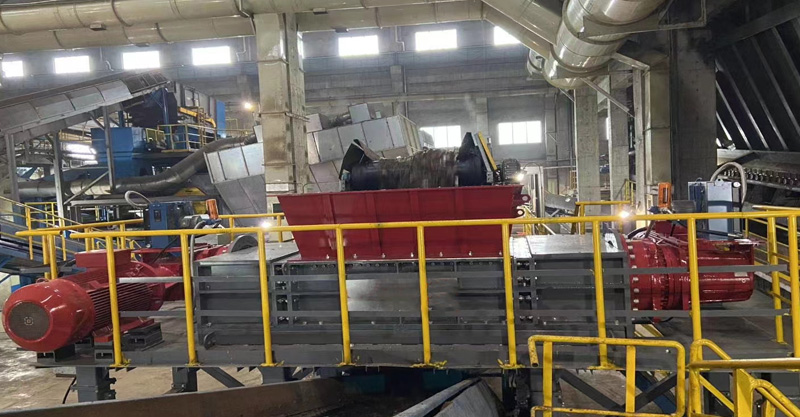
Material recovery system (MRF)
Mechanical biological treatment (MBT)
Plastic recycling center
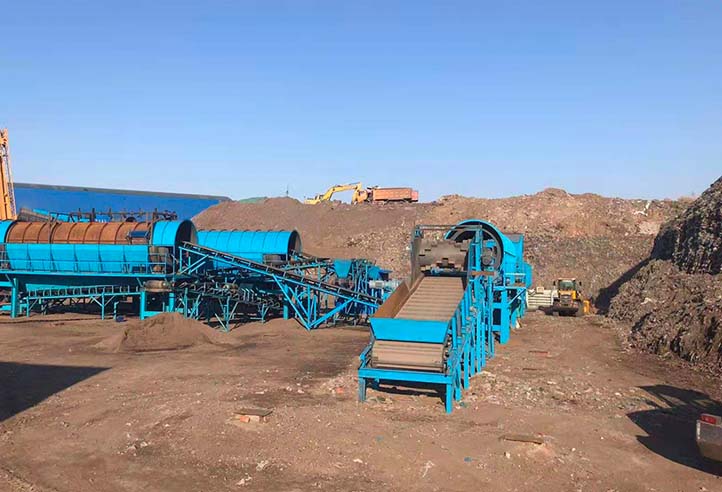
Landfill waste sorting plant
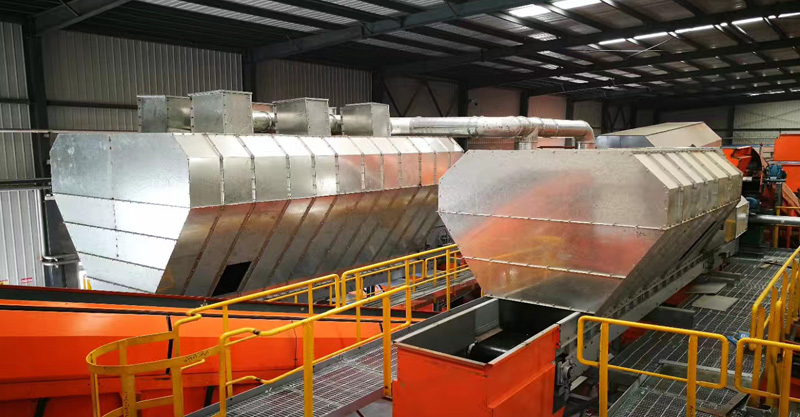
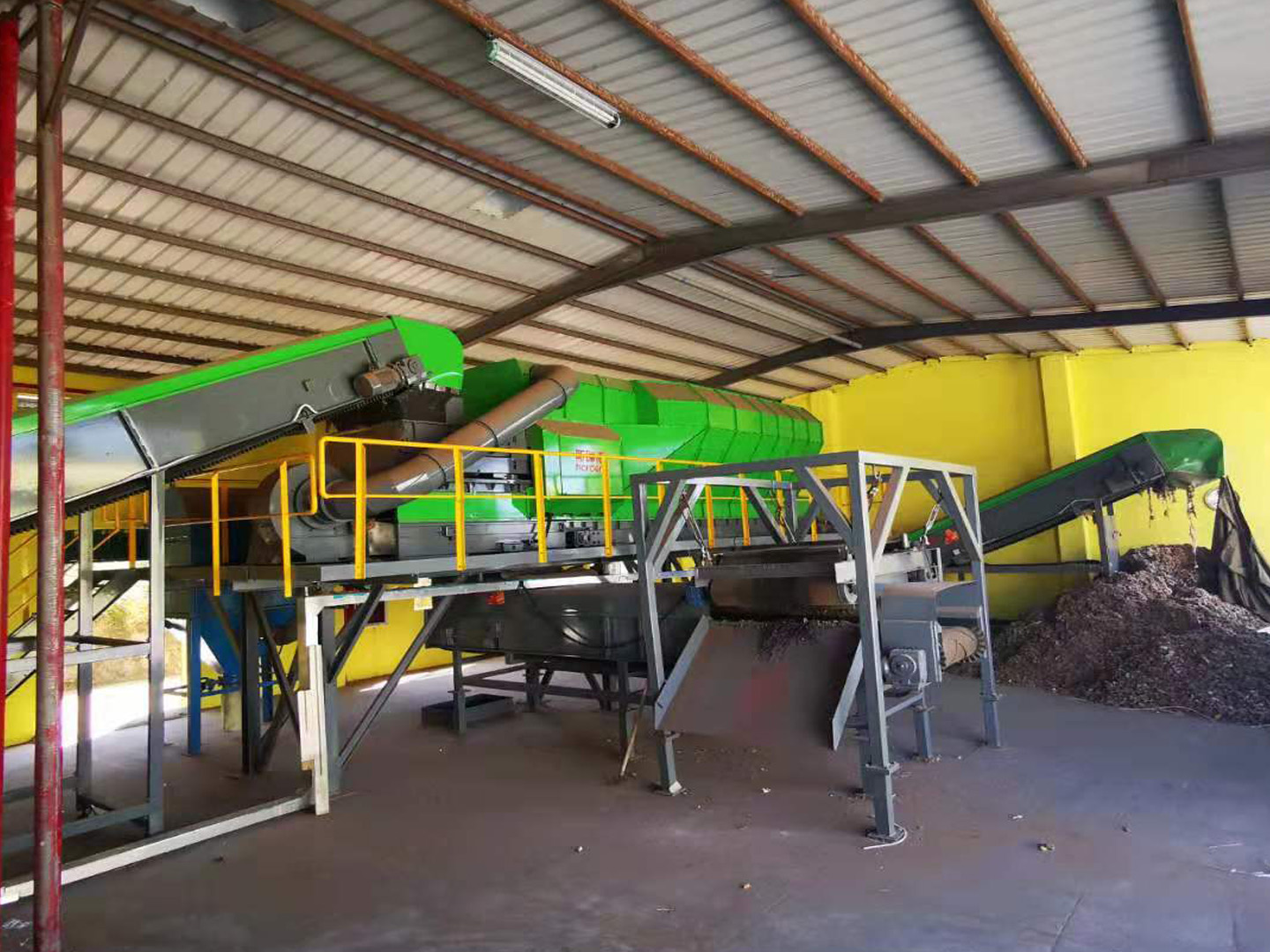
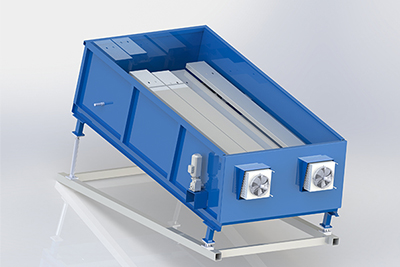
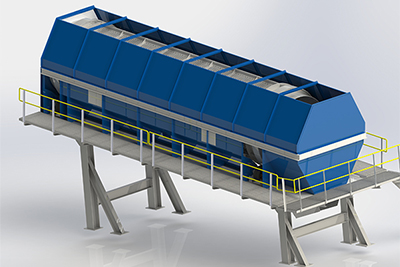
The feeding conveyor, rotating drum, blower, heavy material conveyor belt, settling chamber, and light material conveyor belt are the primary structural components of the Hengchuang wind shifter. According to the principle of aerodynamics, controlled airflow as a sorting medium, under the action of controlled airflow to make the selected material according to the density and size of the wind selection method, airflow can be lighter materials (such as paper, feathers, plastic bags, dead leaves, etc.) up to take away or horizontal direction to a farther place, while heavy materials due to rising airflow can not support them to land, or due to ineligibility. As a result, the wind sorting process is based on the law of solid waste settling in the air to fulfill the goal of sorting and recycling.
The wind shifter blows light materials (film, paper, fabric, etc.) into the settling chamber, where they are delivered to the next link via the conveyor, and the heavy materials fall directly into the conveyor below.
Because the wind shifter is an airtight device with little dust leakage, you can add a dust collector to collect dust for centralized processing.
Contact With Us:
E-mail: service@template-demo.com
Have a Questions? Call Us:
北京市长安大厦123号
北京市长安大厦123号
Please contact Hengchuang for your waste management solutions!