Call us
13888888888

Oct 28 2023
View More


Permanent magnets are materials that can maintain a magnetic field without an external source of energy. They are made up of ferromagnetic or ferrimagnetic materials, such as iron, nickel, and cobalt, along with some rare earth metals like neodymium and samarium. Permanent magnets are used in many industries, including electronics, aerospace, and medical technology. They are also used in consumer products such as toys, jewelry, and clothing accessories.

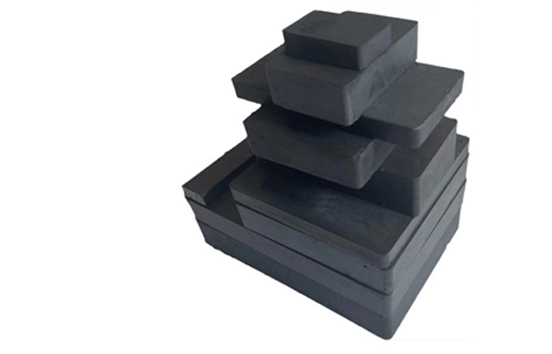
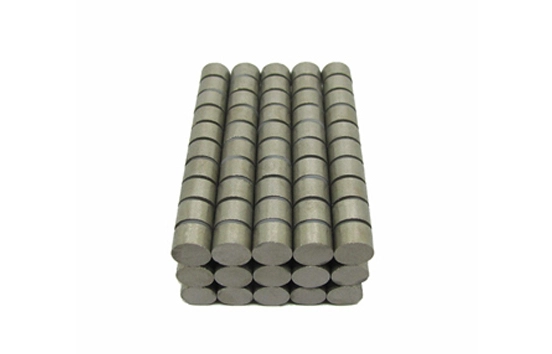


Permanent magnets can store a large amount of magnetic energy, and have a higher energy density than other electromagnetic devices when the magnet size is the same.

Permanent magnets have no energy loss and are more efficient than other electromagnetic devices because they do not require energy to maintain a magnetic field.

Permanent magnets typically have a long life and are not prone to damage or failure because they do not require an external power source to maintain the magnetic field.

The output magnetic field of the permanent magnet is very stable and will not change with time, temperature, humidity and other factors, so it is very suitable for applications that require high precision and reliability.

The magnetic field of a permanent magnet can be easily controlled by changing the external magnetic field or physical position.

Permanent magnets are usually smaller than other electromagnetic devices, so higher power density can be achieved in a limited space.

Permanent magnets have no current flow and electromagnetic radiation, no electromagnetic waves and electromagnetic pollution, so they are more environmentally friendly.
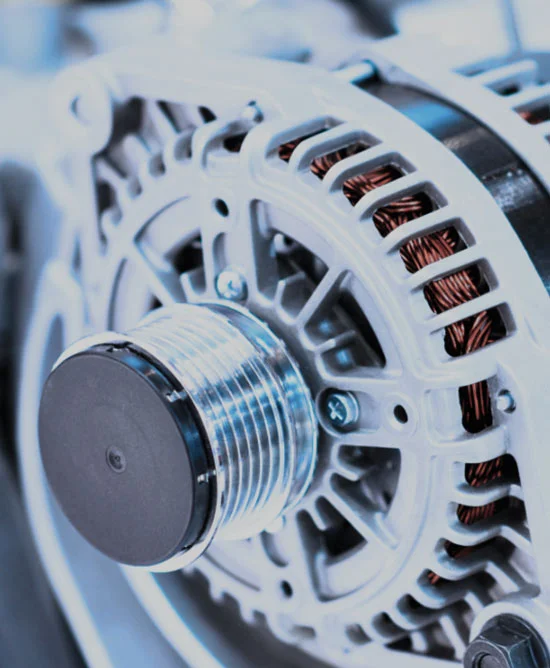
A permanent magnet refers to a magnet with permanent magnetism, which can continuously generate a magnetic field without an external power source. This magnet is usually made of a special magnetic material such as steel, iron, cobalt and nickel. Permanent magnets can be classified into unipolar permanent magnets and bipolar permanent magnets. Unipolar permanent magnets have only one pole, while bipolar permanent magnets have two opposite poles. Permanent magnets can be used in many applications such as motors, generators, speakers, hard drives, etc.
Temporary magnets are magnets that can generate a magnetic field only under the action of an external current. This magnet usually consists of an iron core and a coil. When energized, the current in the coil creates a magnetic field, making the core a magnet. But once the current is turned off, the magnet's magnetism disappears. Therefore, temporary magnets can only be used if they are powered by the mains. Temporary magnets can be used in many applications such as electromagnets, electromagnetic pumps, electromagnetic brakes, etc.