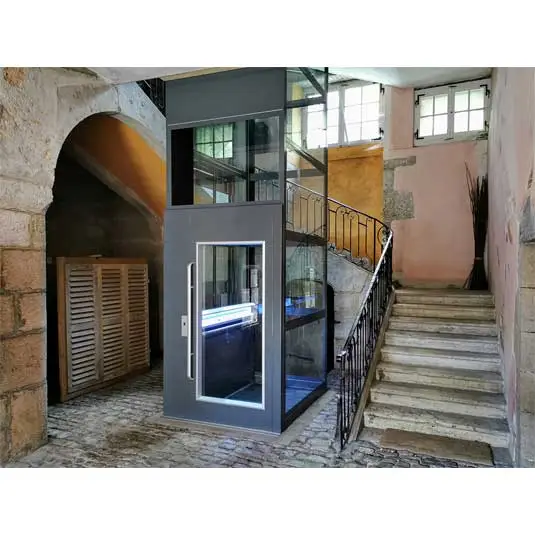
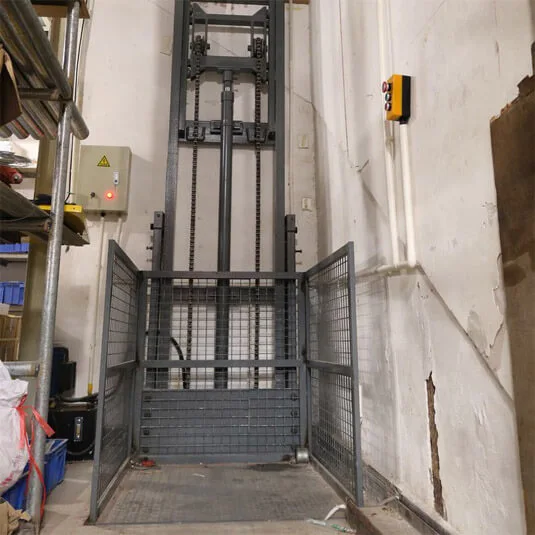
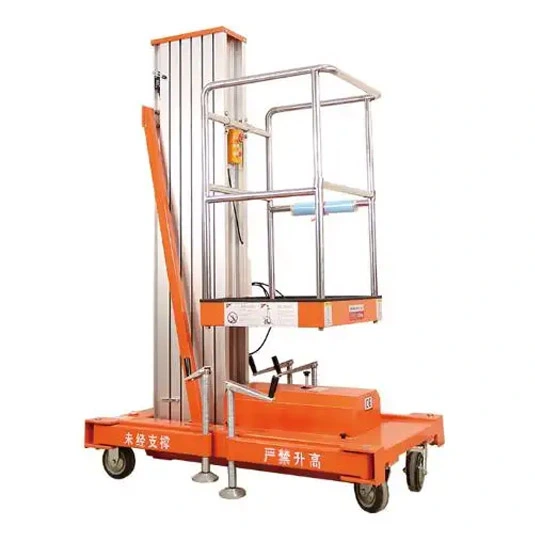

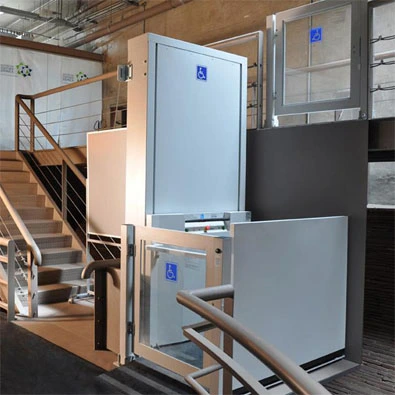
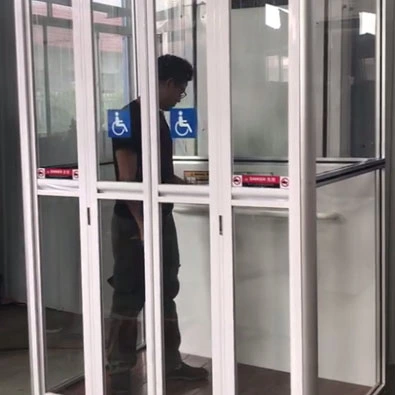

Home lifts enhance accessibility and convenience, especially for elderly individuals or those with mobility challenges. Home lifts eliminate the need to navigate stairs, providing a safer and more comfortable way to move between different floors. Home lifts offer a practical solution for transporting heavy items, such as furniture or groceries, between floors. Moreover, installing a home lift can increase the market value and make the property stand out in the real estate market.
Proper maintenance and timely repair of home lifts are essential for their smooth and reliable operation. Regular maintenance ensures the longevity of the lift and minimizes the risk of unexpected breakdowns. It includes routine inspections, lubrication of moving parts, checking safety features, and verifying the electrical and mechanical components.
Qualified technicians should conduct maintenance to identify any potential issues and address them promptly. Additionally, scheduling periodic inspections and adhering to manufacturer guidelines is crucial to ensure compliance with safety standards.
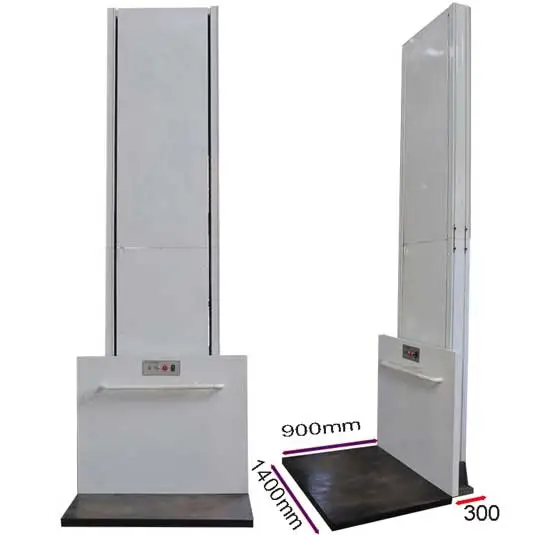
A home lift is a self-contained elevator designed to transport individuals and goods between different floors of a home. It consists of a cabin or platform that moves vertically within a shaft, providing accessibility to various levels. They are installed in a designated space within the home and require professional installation.
A stairlift is a motorized chair that moves along a rail attached to a staircase. It is specifically designed for individuals with mobility challenges who have difficulty navigating stairs. Stairlifts are typically installed directly onto the staircase, requiring minimal modifications to the home.