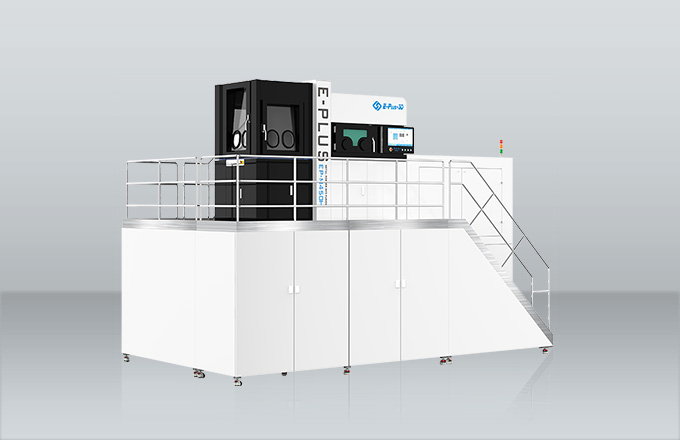
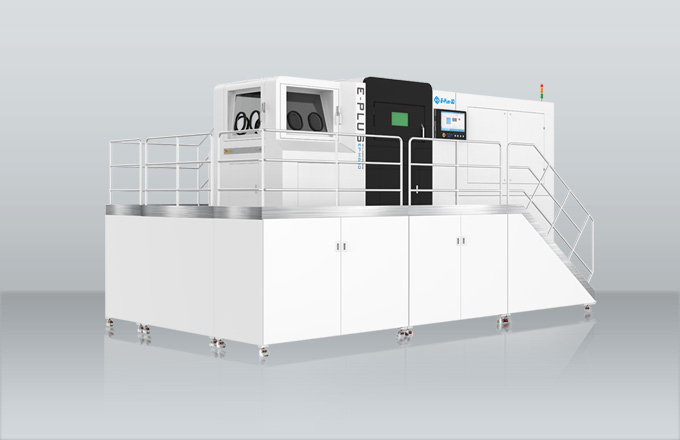
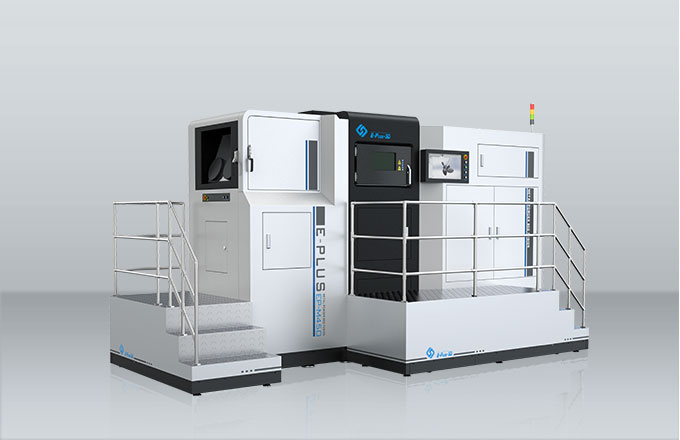
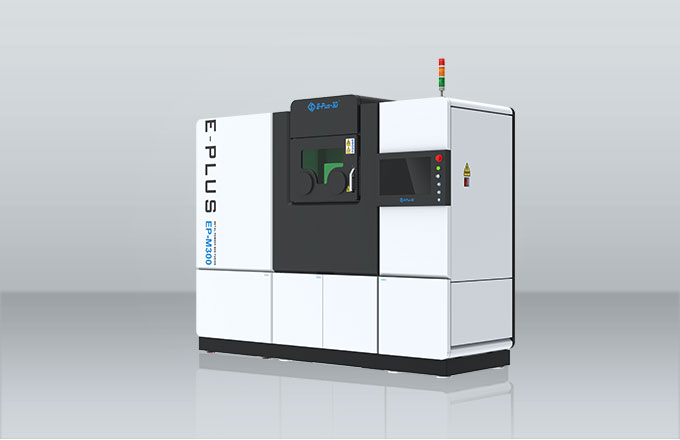
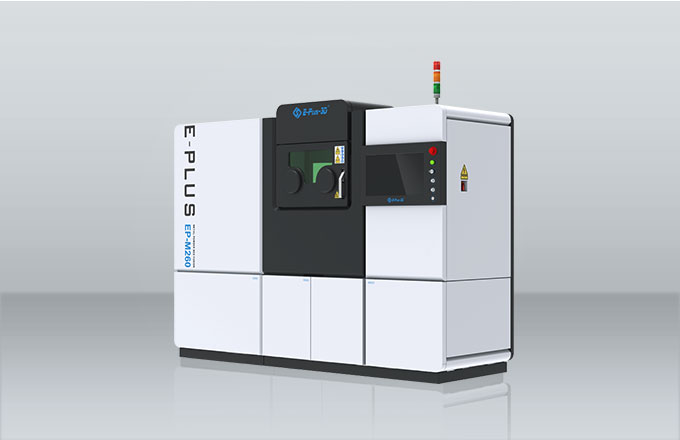
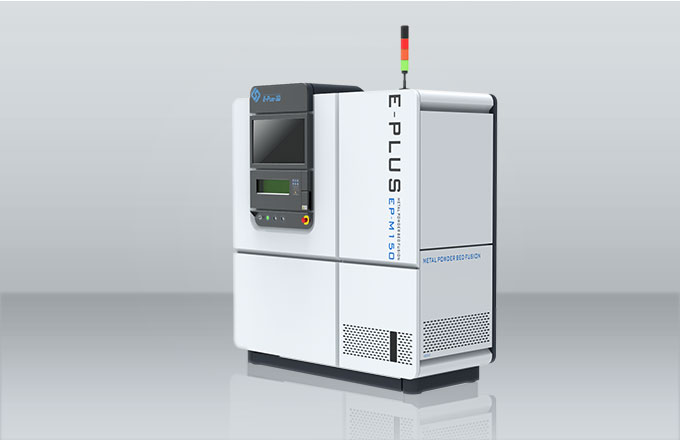
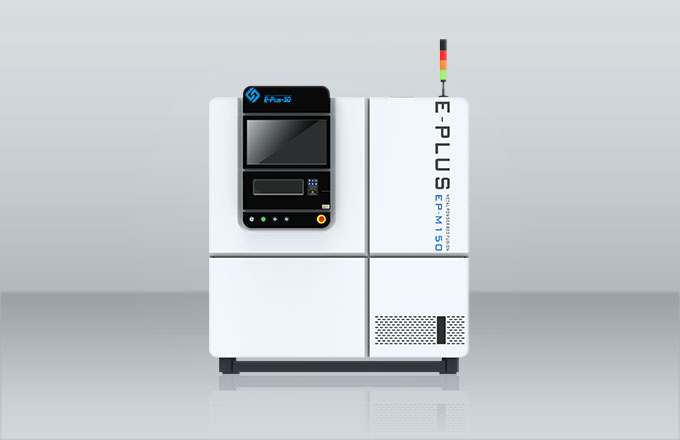
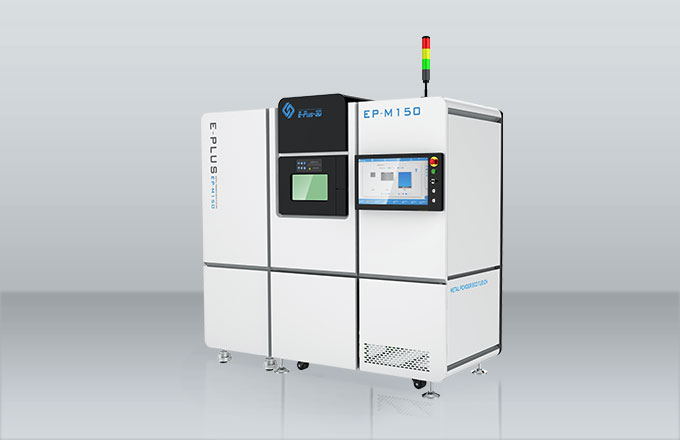
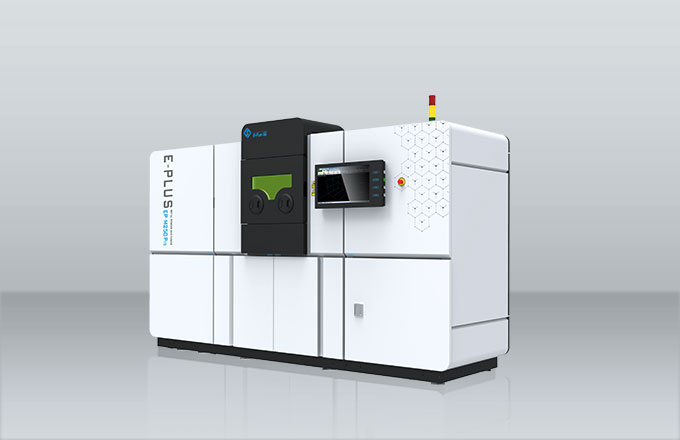
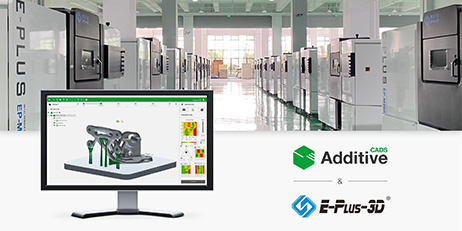
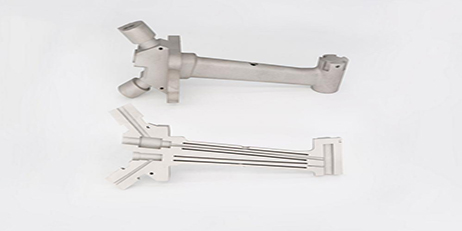
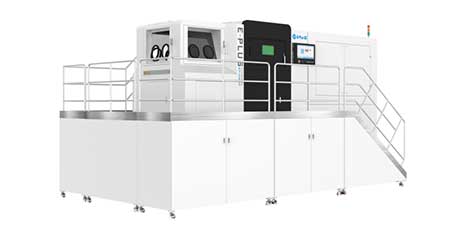
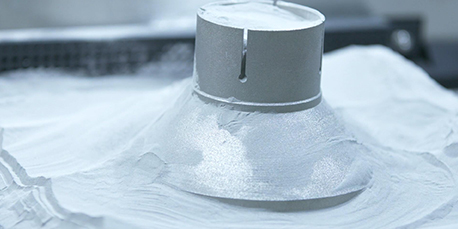
Eplus3D metal printers are a lab from entry-level models to multi-layer machines for additive production at industrial grades. We also provide advanced processes industrial metal 3D printing with the most various metal materials compatible, including aluminum alloys, titanium alloys, cobalt chrome, nickel-based alloys, stainless steel, tool steels, copper alloy, and other micro-grade metal powders.
Highlights:
Build volume 456 × 456× 1080mm
Build chamber volume > 200 L
Optional dual laser system with 2*500 w fiber lasers
High quality and high efficiency
Software:
EPLUS 3D, EPHatch
Highlights:
Build volume 655x655x 800 mm
Four lasers are printing simultaneously with up to 120 cm³, which is increased efficiency of 3.5 times compared to a single laser system
Software:
EP-Hatch, EP Control
Highlights:
Build volume 455x455x 500 mm
北京市长安大厦123号
cost-effective and easy operation
Software:
EPLUS 3D, EPHatch
Highlights:
Build volume 305 x305x450 mm
500W/1000w single or dual laser optional
Non-stop operation during filter change
Software:
EP-Hatch, EP Control
Highlights:
Build volume 266 × 266 x 390 mm
500W/1000w single or dual laser optional
Optimized recoating strategy shortens coating time
Software:
EPLUS 3D, EPHatch
Highlights:
Build volume 153 x 120 mm
Gas consumption<0.8L/min (Printing period)Optimized structure design for easier maintenance
Software:
EP Control, EPHatch
Highlights:
Build volume 153 x 80 mm
lt only takes around 5.5hrs to print a full plate of teeth around 220 crowns),around 6.5hrs to print a full plate of partials (around 15 pcs.)
Software:
EP Control, EPHatch
Highlights:
Build volume 156 x 240 mm
The density of printed parts can reach nearly 100 %The Layer thickness can be up to 100 um
Software:
EP Control, EPHatch
Highlights:
Build volume 262x 262×350 mm
Real-time monitoring of the production environment and building processNon-stop operation during filter change.
Software:
EP ControL, EP Hatch
There are a number of different technologies used in the metal Additive Manufacturing systems available today.
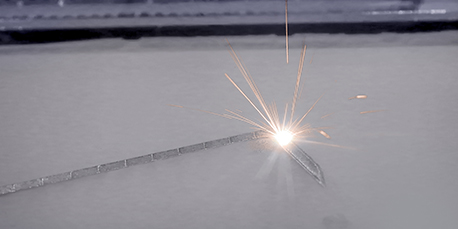
Systems can be classified by the energy source or the way the material is being joined, for example using a binder, laser, heated nozzle, etc. Classification is also possible by the group of materials being processed, such as plastics, metals, or ceramics. The feedstock state, with the most common ones being solid (powder, wire, or sheet) or liquid, is also used to define the process.

We are the leading provider for high-end metal 3D printing. With our MPBF technology, we empower our customers from different industries to achieve the highly reliable and repeatable parts production.