Tel:
Email:

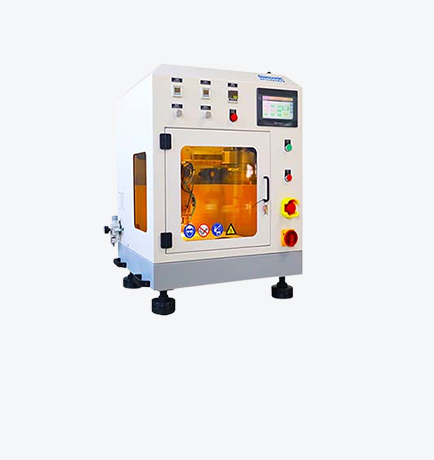
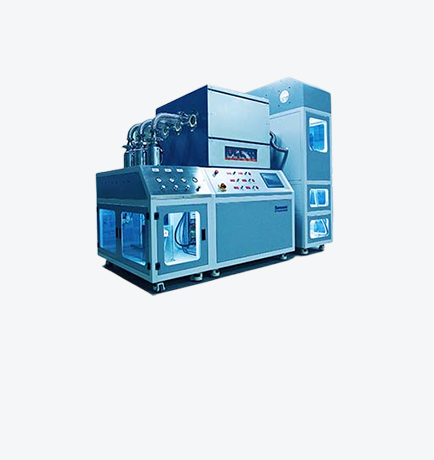
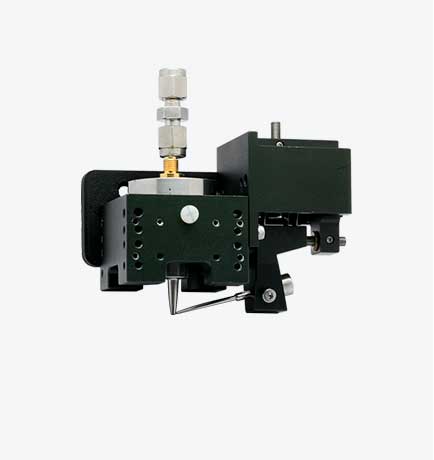
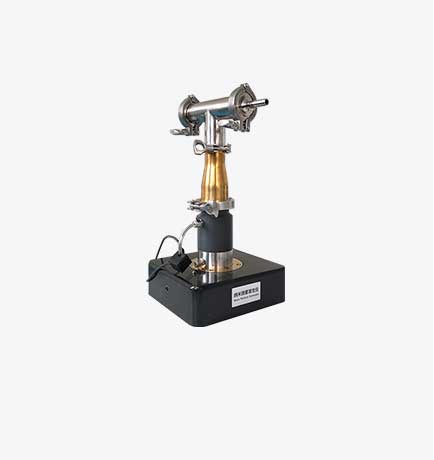
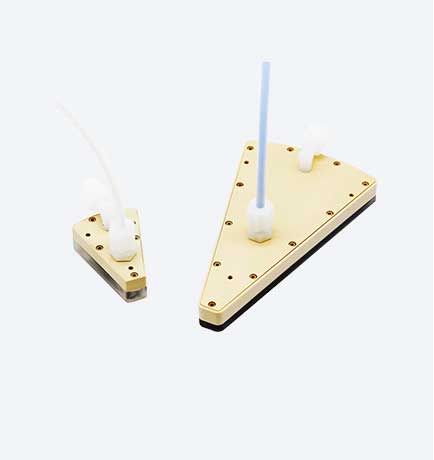
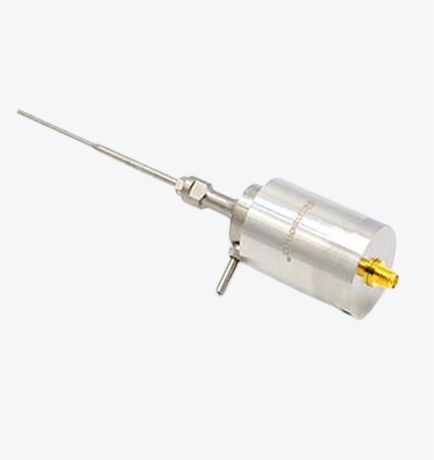
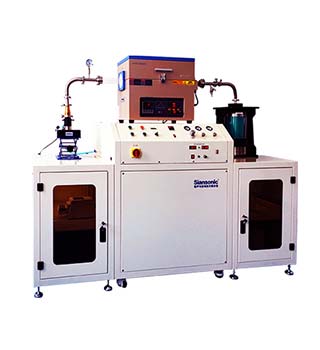
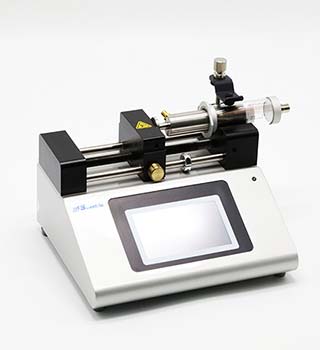
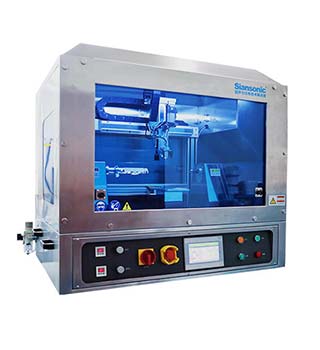
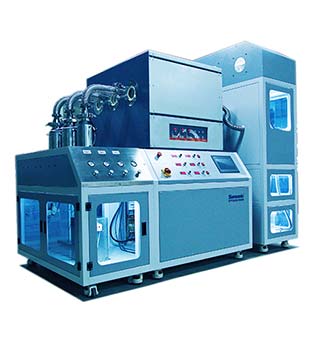
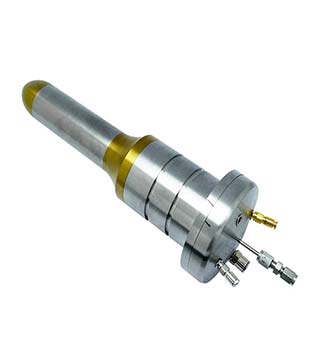
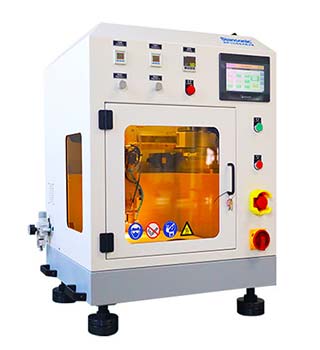
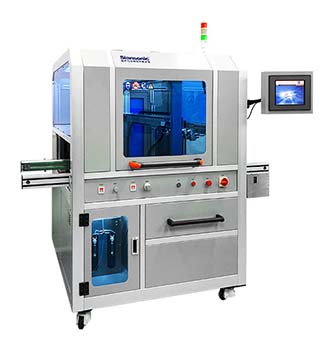
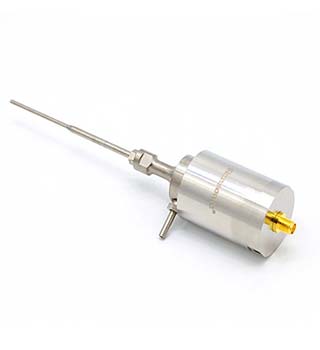
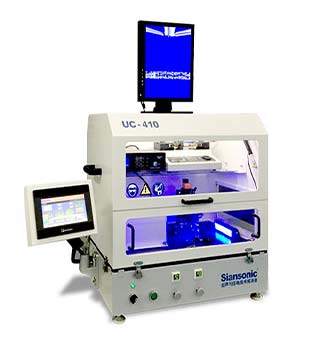
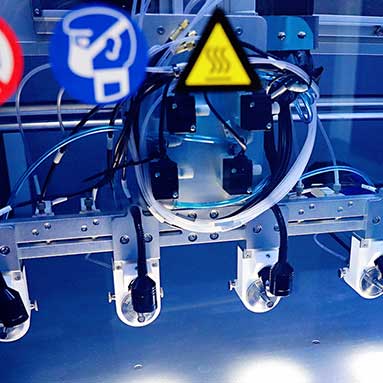
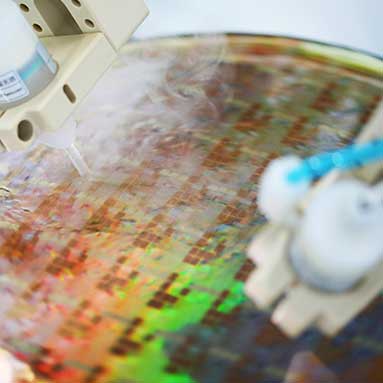
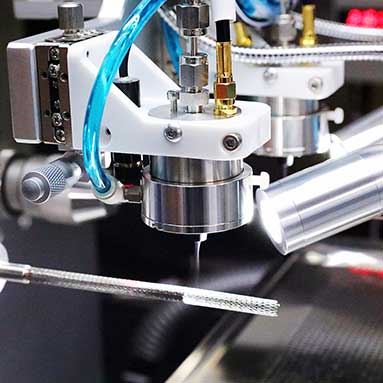
Including ultrasonic atomization nozzle, ultrasonic generator, infusion system, motion system, heating system, exhaust system and so on. Ultrasonic spraying is film spraying technology, the working principle is based on ultrasonic atomization technology. Ultrasonic spraying can provide a higher uniform, thinner coating. Ultrasonic atomization spray systems can be used in a variety of applications. It is mainly used in the production of large area nanoparticle coatings, pilot scale or medium batch production of thin film coatings. Typical applications include new energy industry, such as fuel cell catalyst coated membrane (CCM), the function of the thin film solar cell layer, biomedical industry, such as the function of the biosensor, microelectronics and semiconductor industry, such as the light of the silicon wafer to resist coating, fluxing agent used for PCB, glass industry, such as reducing reflection (AR) coating, hydrophilic coating, Hydrophobic coating, heat insulation coating, transparent conductive coating, non-woven fabrics and textile industry, such as superhydrophobic coating, antibacterial coating and so on.
Droplet size: In ultrasonic atomization, the size of the same solution droplet is determined by the vibration frequency of the nozzle, the surface tension and density of the atomized liquid, and the frequency is the determining factor. The higher the frequency, the smaller the median diameter of the droplet size.
Atomization success or failure: the liquid through the nozzle length of the non-blocked channel, into the atomization surface, the liquid in the atomization surface absorbed the vibration energy. The vibration amplitude must be carefully controlled; below what is called a critical amplitude, there is not enough energy to generate atomization. But if the vibration is too high, the liquid will be torn apart and ejected as lumps. Only the amplitude within a specific input power range can produce a more ideal atomization effect. For ultrasonic atomization, the input power level is generally from 10 to 15 watts.
Atomization flow rate: ultrasonic nozzle flow range is generally relatively large, because the ultrasonic atomization process does not depend on the pressure, so the same solution per unit time nozzle atomization liquid quantity is mainly controlled by the liquid delivery system nozzle combined with the use of control.
 English