中文
 EN
 fr
 de
 es
 it
 pt

1. Classification according to the purpose of the appliance
Correctiveness of wearing braces: Active correction of dental and maxillofacial deformities can be performed by mechanical force or perioral muscle functional force.
Prophylactic: The purpose is to prevent possible malocclusion, such as gap retainers or prophylactic lingual arches to maintain the length of the dental arch, and fixed or movable devices can be used.
Retention: It is designed to keep the moved teeth fixed in the new position after active treatment to minimize recurrence.
2. Classification by retention method
a. Fixed appliance: It is fixed on the teeth with cement or adhesive, and the patient cannot take it off by himself, only the doctor can take it off.
b. Active appliance: attached to the teeth or mucous membranes, the patient can take it off or put it on at will, and put it back in the mouth after adjusting the force by the doctor.
The above types of appliances are usually divided into two categories: fixed appliances and movable appliances.
3. Classification by material
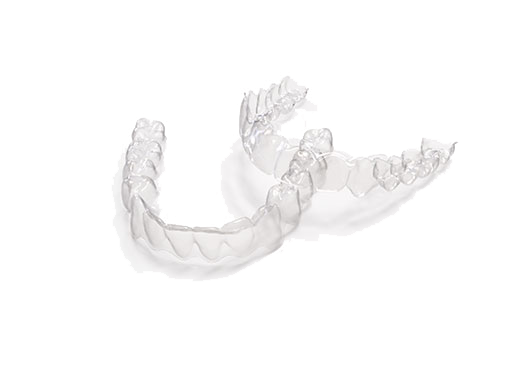
a. Fully transparent invisible correction technology: The thickness of the appliance is less than 1mm, transparent, smooth and comfortable, without foreign body sensation and mucosal irritation, and the correction time is shortened by nearly one third compared with traditional orthodontics.
b. Translucent ceramic orthodontic technology: All ceramic brackets fit closely with the teeth, have excellent biocompatibility, are beautiful and comfortable, are more beautiful than traditional brackets, are comfortable to wear, and are conducive to cleaning.
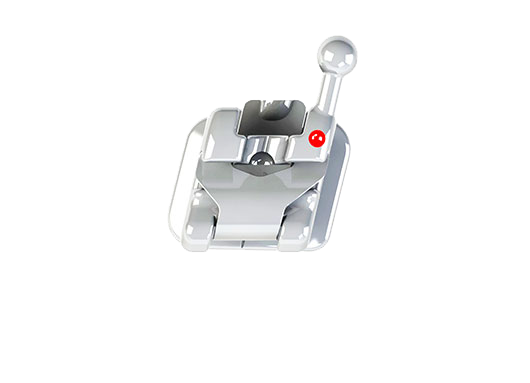
c. Self-locking bracket correction technology: Self-locking bracket is a new technology that has appeared in recent years. It's a seemingly small change, but it has brought a revolutionary change to fixed orthodontic technology. Its main advantage is that it can greatly reduce the frictional resistance between the wire and the bracket.
d. Invisible lingual orthodontics: refers to the "invisible orthodontic treatment" in which the orthodontic appliance is pasted on the lingual side of the teeth, so that the appliance cannot be seen at all during the patient's entire treatment process. Since the lingual orthodontic process is relatively complicated, including the movement of the teeth, the movement of the lingual steel wire will be slower, so the general correction time is relatively longer.
Many children are prone to dental deformities after teeth replacement. An ugly tooth will be ridiculed and affect the appearance. In addition, the uneven arrangement of teeth will affect the chewing ability, and it is difficult to clean up all the teeth when cleaning the mouth. Food residues breed bacteria in the gaps of the teeth, leading to the appearance of periodontitis, and often there will be red, swollen and bleeding gums, which is very harmful.
Wearing braces can correct tooth deformities, make teeth straight, and prevent oral diseases. There are also disadvantages to wearing braces, that is, it is inconvenient to eat, and food is easy to stick to the metal sheet, but in general, the advantages of wearing braces outweigh the disadvantages, and the earlier the correction, the better the effect.
1. Be sure to maintain oral hygiene after wearing braces. After each meal, the toothbrush should be cleaned to avoid redness and swelling of the gums, demineralization of the teeth (white spots on the surface) and caries.
2. When wearing braces for the first time, there will be a little pain in the teeth and oral mucosa, and it will usually adapt to it after a week. The appliance can irritate mucosal pain with a small piece of cotton covered.
3. After wearing braces, do not eat foods that are too hard (such as bones, cores, shells, etc.), too tough and sticky to the teeth, so as not to cause the appliance device to fall off, affect the treatment effect, and prolong the treatment time.
4. After the correction is completed, be sure to wear the retainer as instructed by the doctor to avoid recurrence. The retention time depends on the malocclusion condition, generally about two years, and in special cases, it needs to be maintained for life.
5. If the brace device falls off, contact the doctor as soon as possible to determine whether it is necessary to return to the doctor in advance. Please bring the falling device back to the doctor during the return visit.
 Call us on:
 Email Us:
北京市长安大厦123号