
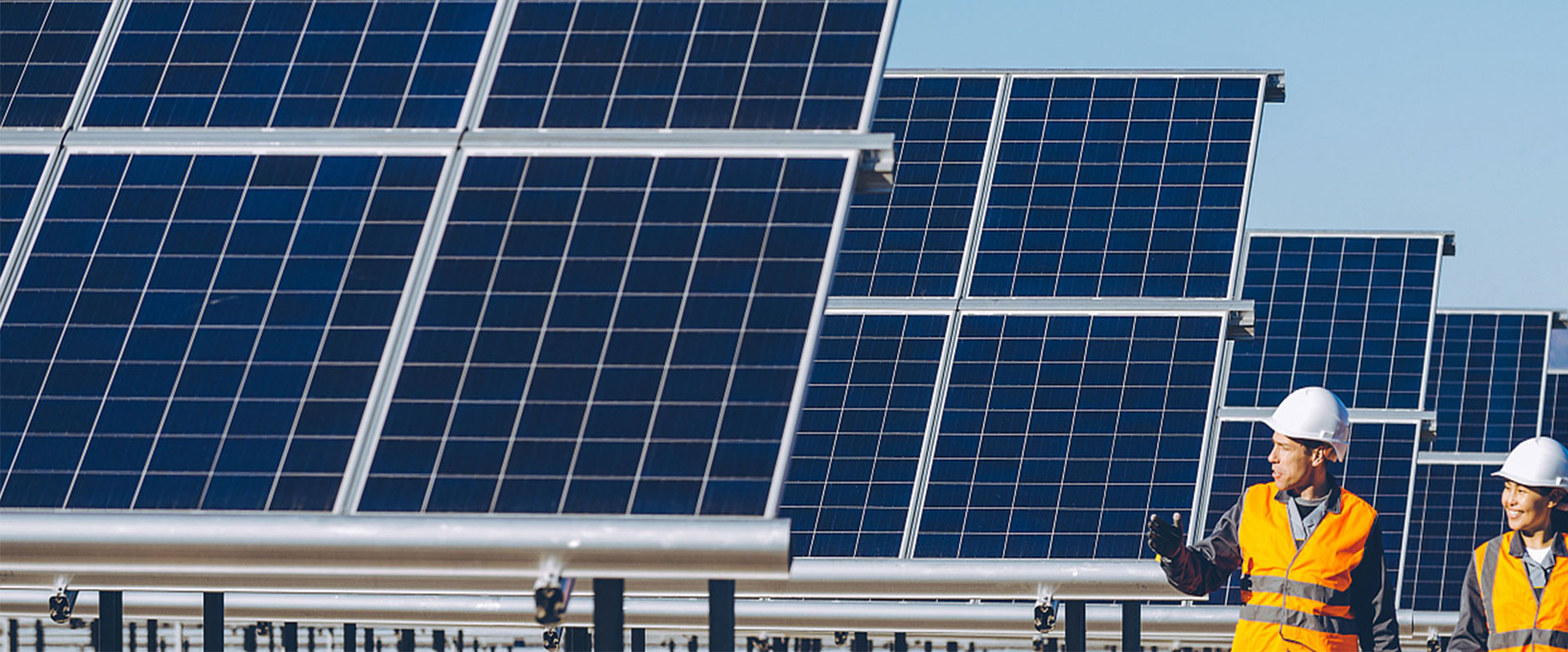
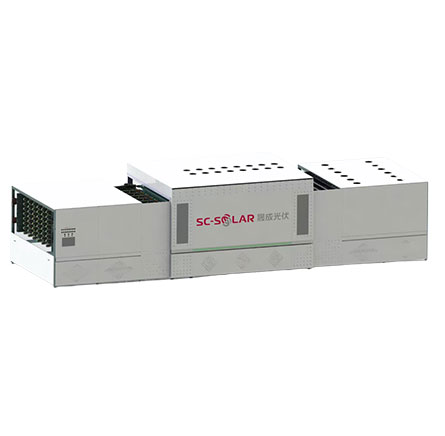
Fully Automatic solar laminator is the most important process in the whole solar panel production line. It is used to bond multiple layers of materials (Glass, EVA, Solar cell, Backsheet) together by heating &vacuum process in chambers of the laminator.
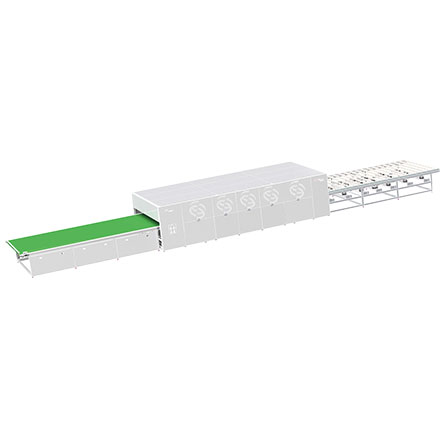
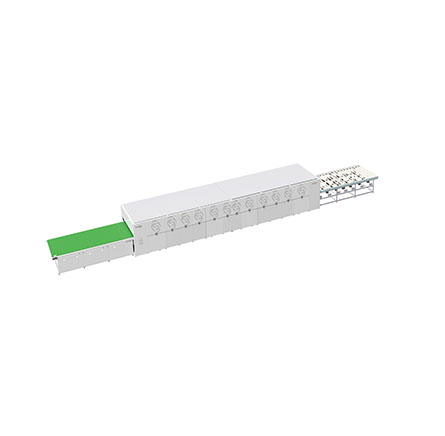
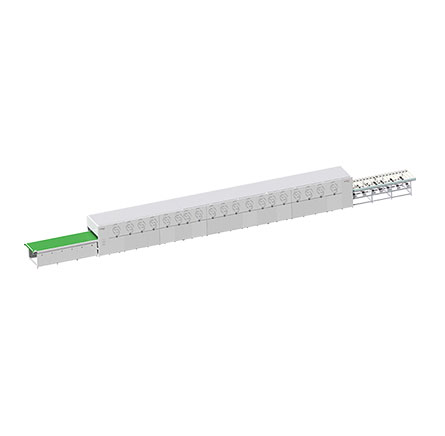
| Name | Spec |
| Control Mode | Touch Screen |
| Temperature Control | PID intelligent Control |
| Temperature Uniformity | ±2℃ |
| Temperature Accuracy | ±1.5℃ |
| Temperature Range | RT--180℃ |
| Compressed Air Pressure | 0.6MPa—0.8MPa |
Solar laminator is mechanical equipment that compacts multilayer material under vacuum conditions.
Solar encapsulation is material to laminate the photovoltaic solar cells to enhance their efficiency and durability.
The solar cell circuits are floated in between the materials.
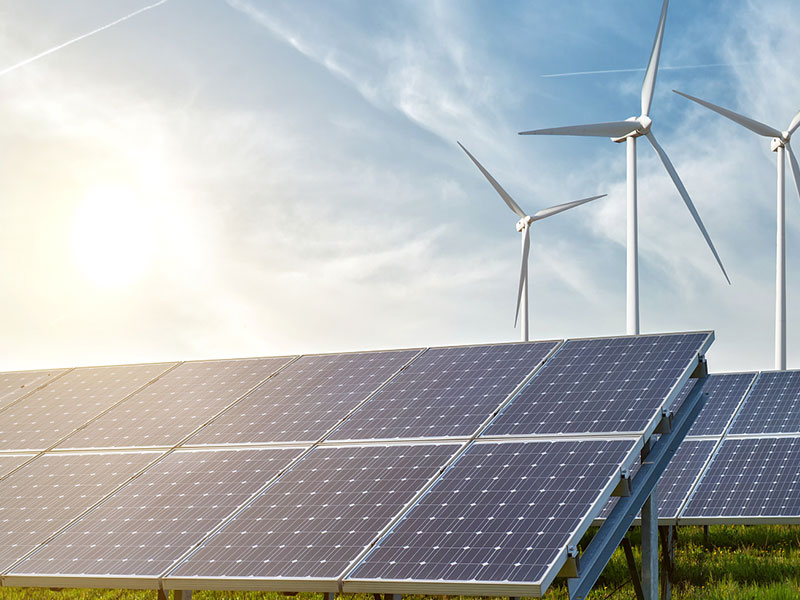

Laminator is used to producing solar modules, and encapsulate different materials such as glass, EVA, solar cell, back sheet, and so on into one by heating and vacuuming.
Monocrystalline silicon solar cells have a photoelectric conversion efficiency of about 17%, the highest up to 24%, which is the highest in all kinds of solar cells, but the production cost is so high that it is not widely used in large numbers. Most manufacturers offer a 25-year warranty on mono crystalline silicon because it is typically packaged in toughened glass and waterproof resin.
Solar energy is new energy, its utilization technology is relatively mature, and the application is also more extensive. The solar cell is a device that converts solar light energy directly into electric energy by using photogenerating volt effect. When multiple solar cells are connected in series, a solar cell array with large output power is formed.
In the processing process of photovoltaic modules composed of solar cells, Eva attached to photovoltaic modules is heated and pressed together through a lamination process, so that the cell, glass and backsheet are bonded together. The existing solar photovoltaic modules are flat panels. During pressing, the photovoltaic modules are located in the vacuum chamber through vacuumization, the pressing surface is pressed, and the photovoltaic modules are heated to realize the process of hot pressing.
The solar cell back sheet is also called a photovoltaic back sheet, photovoltaic back sheet, and solar back sheet.
It is widely used in solar cell (photovoltaic) modules, located on the back of the solar panels, which can protect and support the cell, and has reliable insulation, water resistance, and aging resistance.
There are two types of back sheet :
One is glue-coated composite back sheet film, which is composed of fluorine film or EVA film on both sides of PET polyester film. It has a three-layer structure, TPT, TPE, KPK, and other structures are common. One is a coated back sheet film, which is coated with fluorine resin on both sides of PET polyester film and cured by drying.
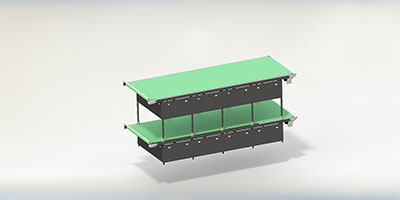
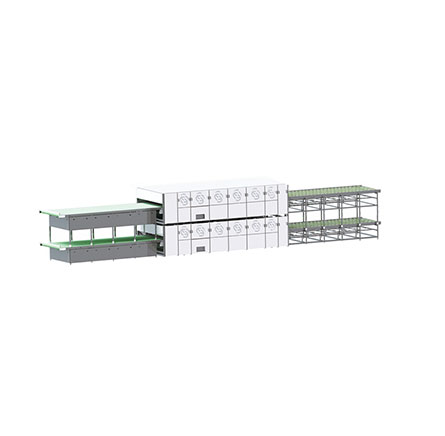
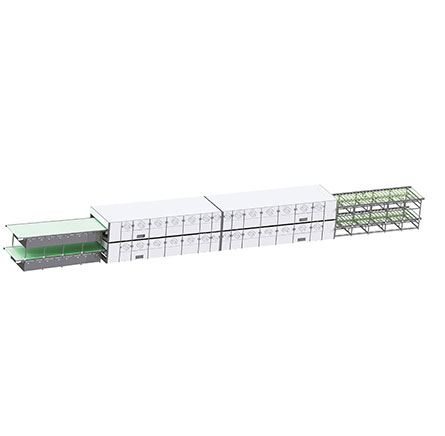
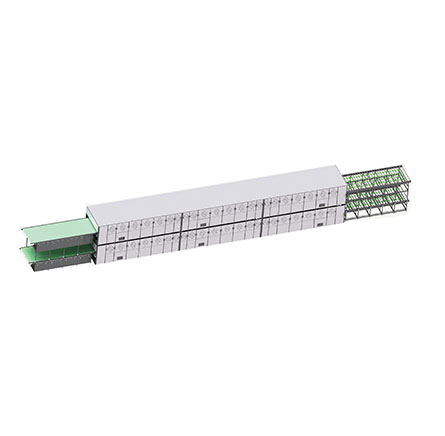
This type is a general type, applied to enough factory area, one-to-one feeding type. Adopt a whole piece of PVC belt for conveying, stable transmission accuracy location, low failure rate, and fastest tact time.
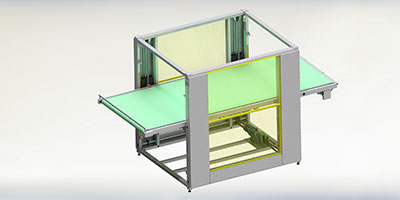
This type adopts chain lifting, one to two feeding types, is flexible to contact with automatic production line directly, does not need an extra lifter, and can save space. Lifting steady, low failure rate.
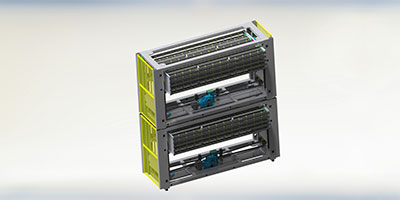
This type adopts fixed buffer, tact time is lower than fixed loading platform, but can save more space. so It is widely used in the case of limited plant area.
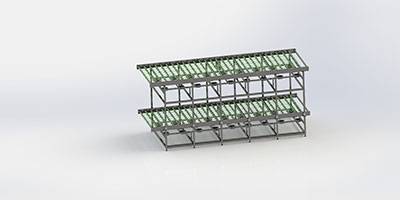
This type is a general type, applied to enough factory area, one-to-one feeding type. Adopt a whole piece of PVC belt for conveying, stable transmission accuracy location, low failure rate, and fastest tact time.
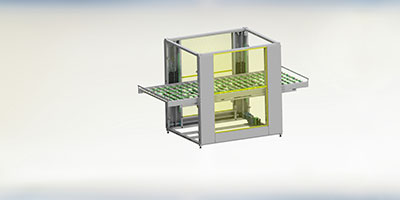
This type adopts chain lifting, one to two feeding type, is flexible to contact with automatic production line directly, does not need extra lifter, can save space. Lifting steady, low failure rate.
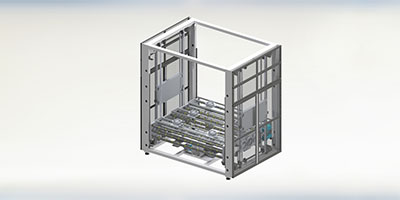
This type adopts lift buffer, one to two type, applied to limited factory area, can save space by instead of lifter, tact time is lower than fixed buffer type.
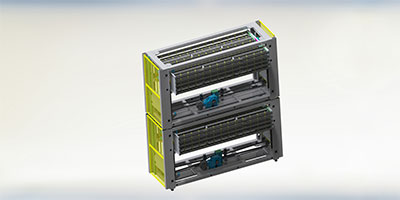
This type adopts fixed buffer, tact time is lower than fixed unloading platform, but can save more space. so It is widely used in the case of limited plant area.
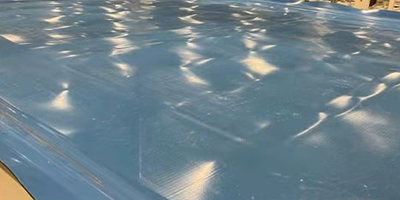
High-quality synthetic material membrane sheet, used for laminating solar modules, long life use times.
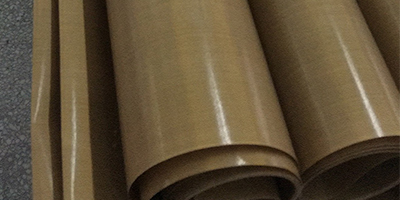
High-quality synthetic material membrane sheet, used for laminating and transferring solar modules, long life use times.
 13888888888
 service@template-demo.com

 English