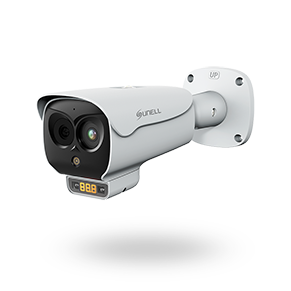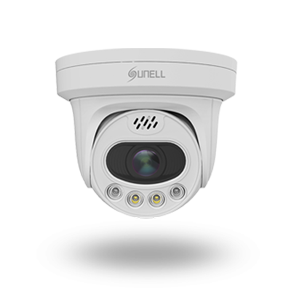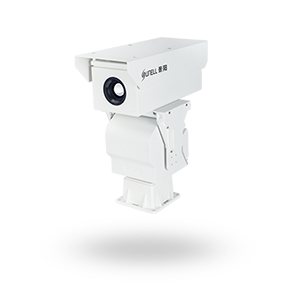
Thermal imaging cameras have a wide range of applications, and with the continuous development and popularization of infrared technology, new applications are constantly being developed. At present, there are mainly the following applications:
1. Fire detection: Thermal imaging cameras can detect hot spots, potential ignition sources or burning fires coming from unexpected places. It can also help firefighters locate survivors in ash, fog, dust or low visibility conditions.
2. Perimeter protection: Since thermal imaging cameras always perform well in low and no light environments, and remove most of the visual camouflage commonly found in commercial and warehousing - like dense foliage. In addition, most thermal imaging cameras are equipped with intelligent analysis algorithms of deep learning, which helps limit the number of false alarms.
3. Equipment maintenance: Thermal imaging cameras can be used to locate and pinpoint joints and components that are at risk of overheating as they are already radiating more heat than they would normally equipment.
4. Building inspection: Thermal imaging cameras can accurately locate the specific location of energy loss, and can judge the energy loss of buildings without using any destructive detection methods. It is an ideal tool for construction diagnosis.
5. Healthcare and medicine: Thermal imaging cameras can detect fever and abnormal body temperature. In addition, it can help diagnose a range of conditions related to the neck, back, and extremities.
Thermal imaging cameras can not only detect and solve problems as early as possible, but also achieve high efficiency and energy saving. Traditional technologies often need to invest a lot of manpower and material resources in equipment inspection or security protection, which is not only energy-intensive, but also often inefficient. Thermal imaging cameras do not have this problem. In terms of equipment detection, it can comprehensively inspect and accurately locate and monitor, and find hidden problems. It does not need to be powered off during equipment operation, and achieves all-weather monitoring, which not only saves production costs, but also saves personnel investment in safety protection, and makes it safer.