English
 中文
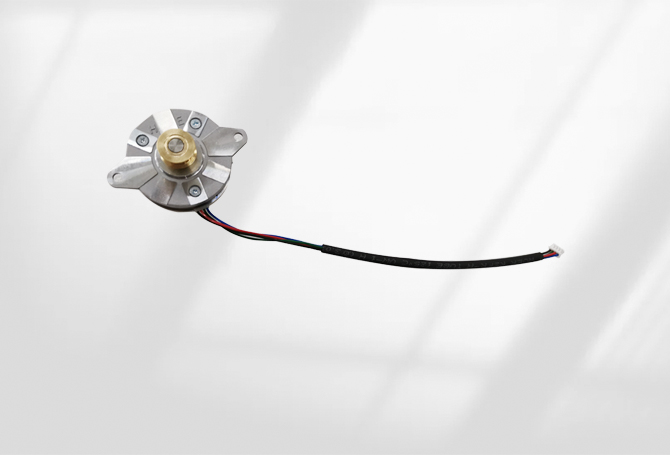
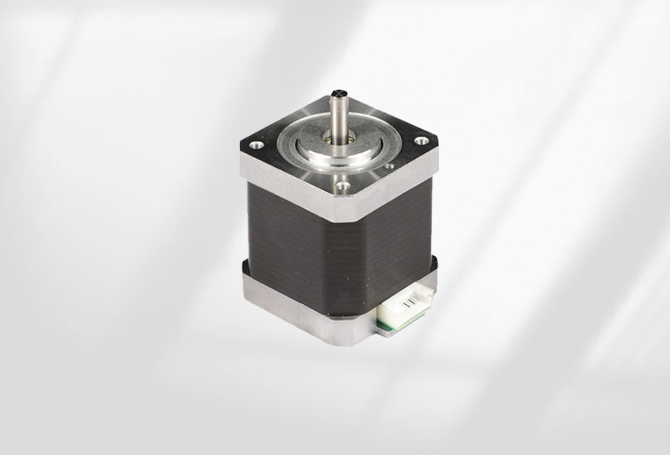
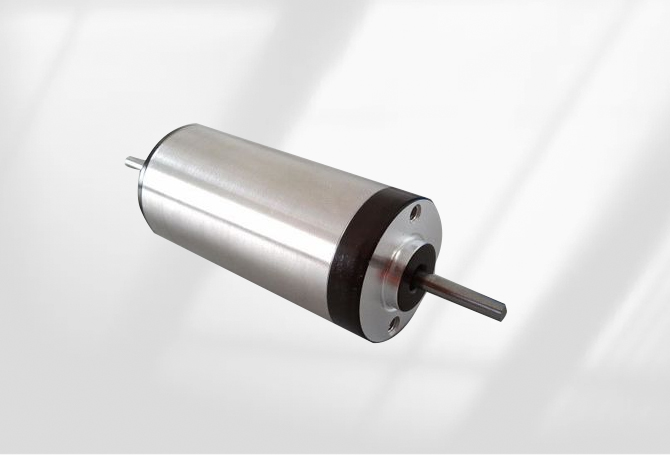
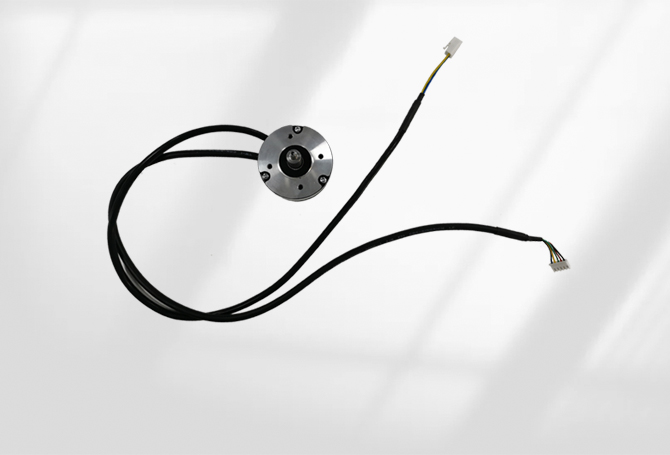
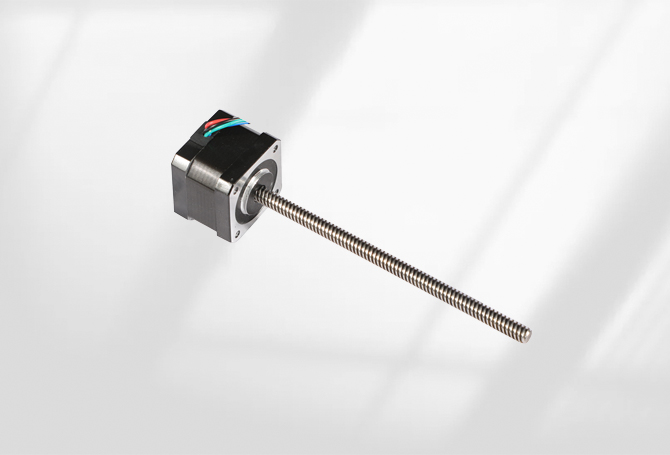

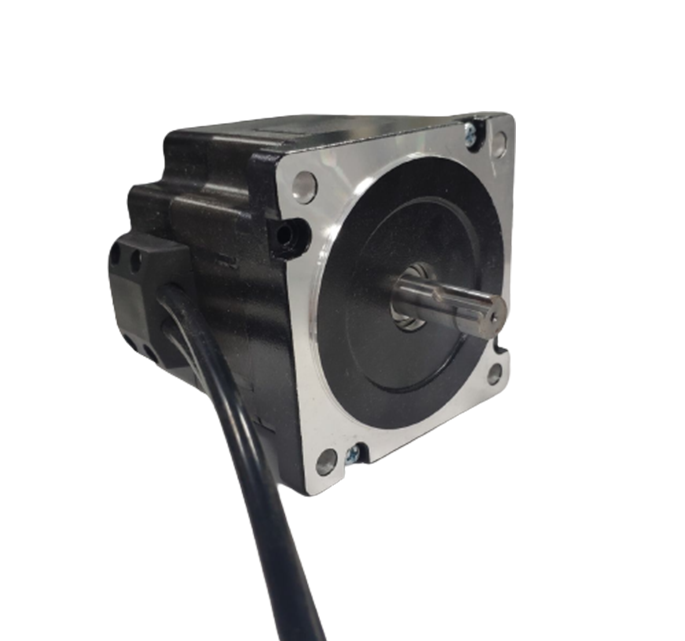
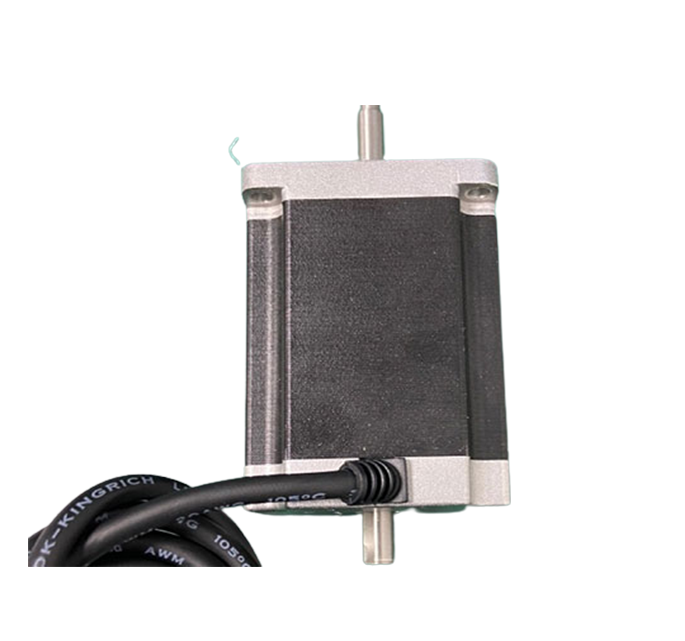
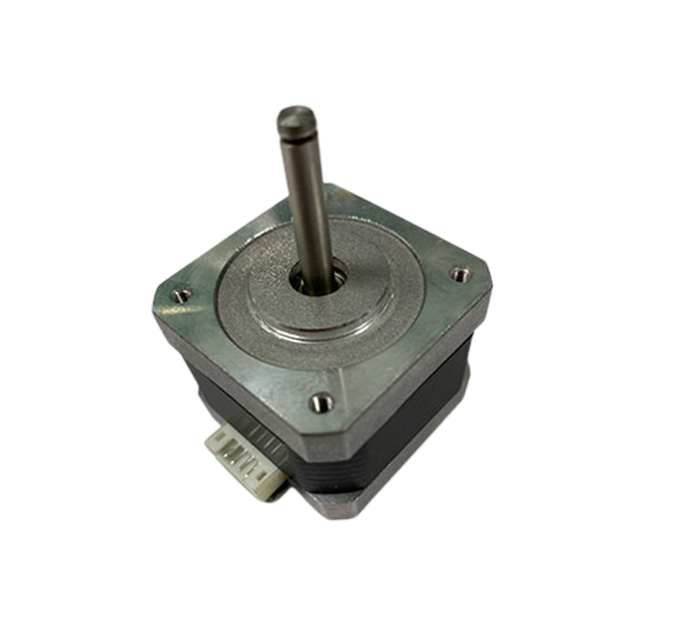
A wide variety of motors are used in many fields, including reputable stepper motors and servo motors. However, many users, don't know the main difference between the two motors, so they always don't know how to choose. So what are the main differences between stepper motors and servo motors? Let's take a look below!
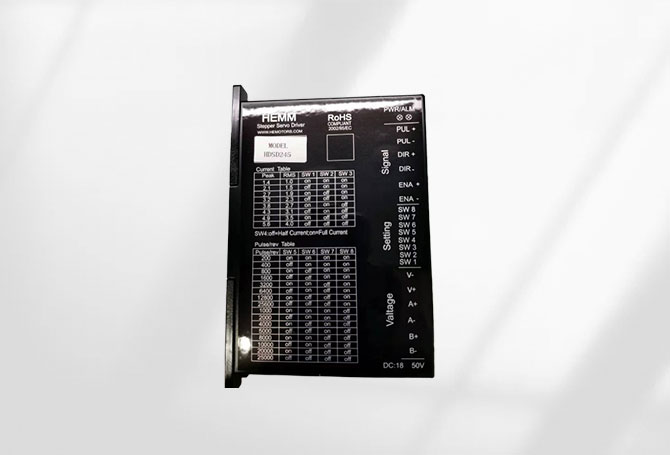
Since the accuracy of the stepper motor is generally achieved through the precise control of the steep angle, the step angle has a variety of different subdivision gears, which can achieve precise control. The control accuracy of the AC servo motor is guaranteed by the rotary encoder at the rear end of the motor shaft, so the control accuracy of the two is different.
The stepper motor is prone to low-frequency vibration when it runs at low speed, so when the stepper motor works at low speed, it is usually necessary to use damping technology to overcome the low-frequency vibration phenomenon. For example, adding dampers to stepper motors or using subdivision technology on drivers. The servo motor is a constant torque output, and the torque-frequency characteristics of the two are also different.
The quality-assured stepper motor is open-loop control, and we need to deal with the speed problem when using it. The servo motor adopts closed-loop control, which is convenient for control. To sum up, stepper motors and servo motors are quite different in terms of control accuracy and overload capacity, as well as in terms of low-frequency characteristics, torque-frequency characteristics, and operating performance. Therefore, it is obvious that both have their own advantages. If users want to make a choice, they need to combine the advantages of the two and their actual needs to make a decision.