Search

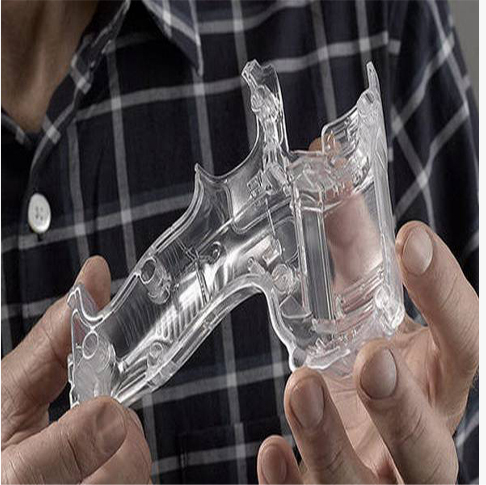
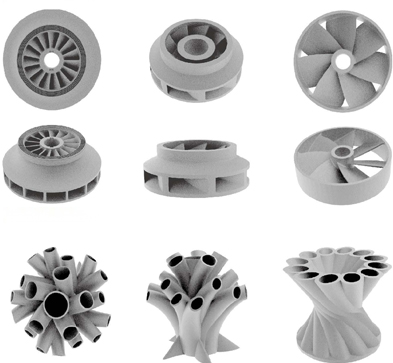
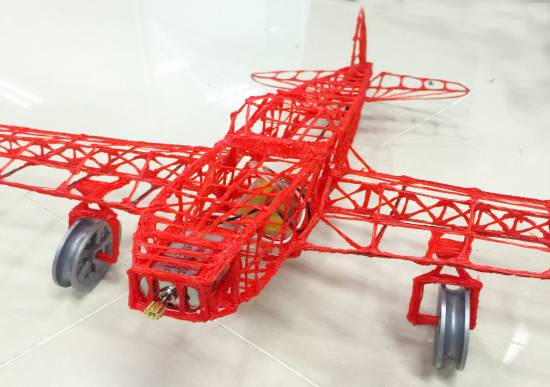
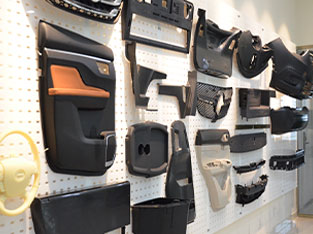
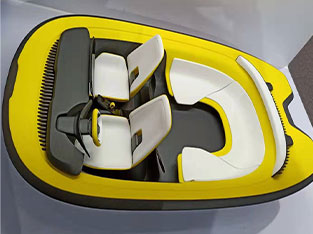
Rapid Prototyping refers to a set of processes that allow easy prototyping of 3D objects directly from CAD files, using incremental deposition of individual cross-sectional layers of a part. It was introduced in the late 1980s. Proto-mold can be defined as a set of processes used to easily produce a working physical model of a part. Today it is important to take products from idea to market in a simple and cost-effective way. Additive manufacturing technology has been used in the aerospace industry with far-reaching impact.
Today, the aerospace industry is faced with budget constraints and is driven entirely by cost. The ratio of purchase to flight is typically low, around 10-20% globally. It is the ratio of the raw material used for a component to the weight of the component itself. The aviation industry is set to grow significantly over the next 20 years. This will expand the lucrative market for additive manufacturing technology from defense applications to commercial aircraft. The demand for more innovative designs, coupled with increasing budget constraints, is forcing the exploration of alternative design and production technologies. Many aerospace companies are currently investigating various prototyping processes.
Lower quality economy
Freedom of design
Material efficiency
Predictable production
Reduced assembly
-Low production volumes - Aerospace development has been expensive because tooling costs have not been effectively amortized over production volumes. These costs can be reduced by rapid prototyping.
-The high number of design iterations means that rapid prototyping can save time and cost.
-Geometric design complexity - The aerospace industry produces parts with complex geometries. It is a challenge for designers to combine parts using traditional means of production rather than using rapid production.
-Experimentation with new materials -High-speed machining allows for easier processing of exotic materials. It also allows prototyping and small-scale testing of new materials without having to invest in tooling.
In summary, Proto-mold has contributed to almost all areas of engineering: mechanical, electrical and electronic, materials, aerospace and, above all, biomedical. The aerospace industry has absorbed all processes and functions from design concept to near-end-of-life repair. Rapid prototyping technology is used to economically shorten product growth cycles and is the ideal method for the aerospace industry.
 English