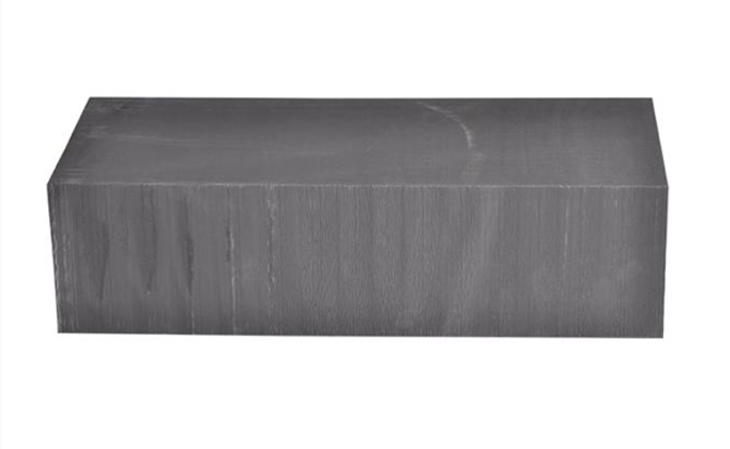
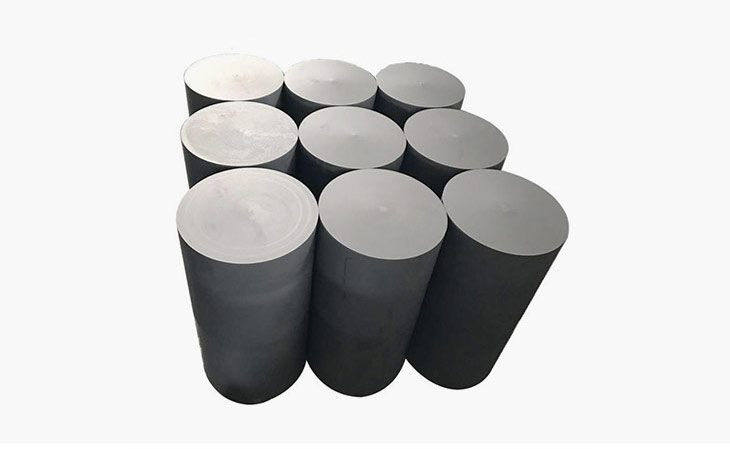
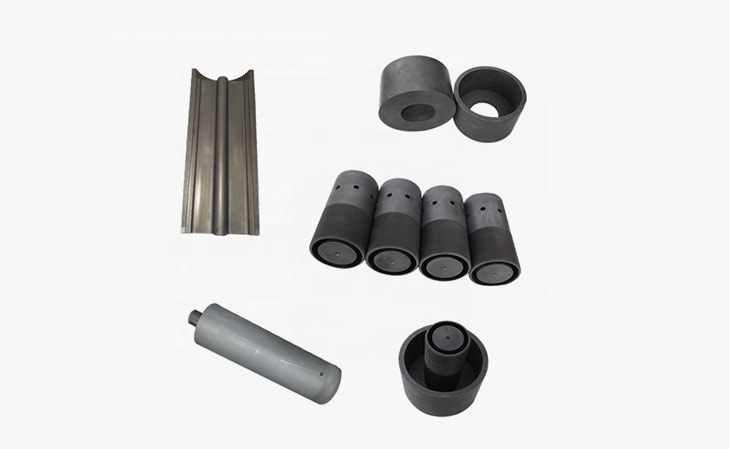
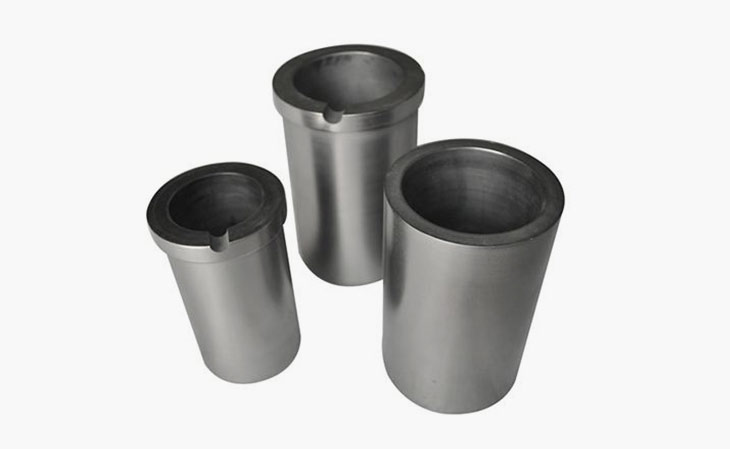
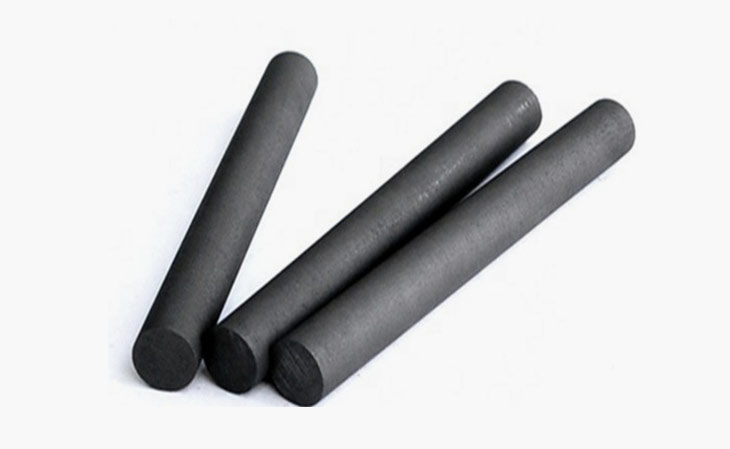
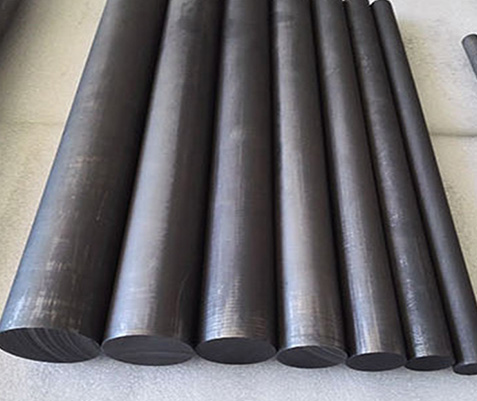
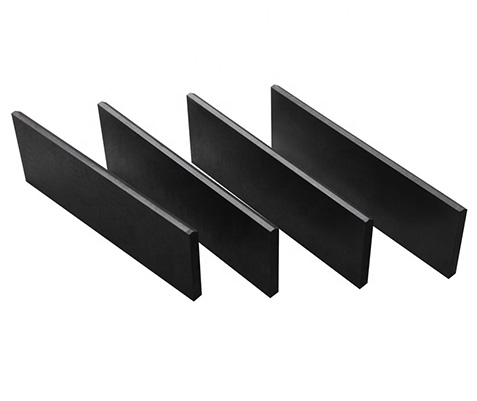
Graphite rods are often used in high-temperature vacuum furnaces, where they serve as an electric heater that facilitates the easy oxidation of products at high temperatures, making it simpler to produce the right product. Why are graphite rods so popular in the market? Mainly because of its high-cost performance.
Graphite rod thermal conductivity and electrical conductivity are very high, for example, the thermal conductivity is different from the general metal materials, it is greater than iron, lead, steel, and other such metal materials, and will increase with the temperature, the thermal conductivity decreases. Graphite carbon rod conductivity is 4 times higher than stainless steel and 2 times higher than carbon steel.
1. Good uniformity
When we appear the vacuum furnace as an electric heater, we need to choose the heating part of the red heat uniformity, because it will affect the temperature distribution and service life of the furnace. If the graphite carbon rods are used with poor red heat uniformity, it will cause the graphite rods to fracture.
2. the surface temperature
Due to the nature of the graphite rod itself, the higher the temperature, the shorter the service life will be. It can be seen that if the surface temperature of graphite carbon rod exceeds a certain temperature, the oxidation rate will increase and the lifetime will be shortened. Therefore, we recommend that you do not make its surface temperature too high when you use it.
3. leave enough voltage adjustment margin
When the graphite carbon rod is heated in the air, its surface will form a kind of antioxidant protection film that we often say. Then, we need to make sure the temperature in the vacuum furnace is stable when we use it intermittently so that it is beneficial for us to use the new graphite rod when the resistance of the graphite rod will increase at a lower voltage.
4. the late voltage
When using multiple graphite rods, the voltage required at the later stage will be higher than the voltage of the new rod. Therefore, we need to pay attention to the later voltage, and according to the regulation or wiring method to adjust, generally speaking, the later voltage limit will also have a certain calculated value.