EN


The global shipping industry is constantly evolving, driven by technological advancements, economic shifts, and environmental considerations. Keeping an eye on the latest trends in global ocean freight is crucial for businesses, shipping companies, and anyone involved in international trade. In this blog, we'll explore the current trends that are shaping the future of the shipping industry.
Smart ports are leveraging the Internet of Things (IoT) to enhance efficiency and security. Sensors and data analytics are being used to optimize cargo handling, track container movements, and improve overall port operations.
Blockchain technology is gaining traction in global ocean freight for its ability to create transparent and tamper-proof records of shipments. It helps reduce fraud, streamline documentation processes, and enhance trust among stakeholders.
Environmental concerns are driving the adoption of cleaner fuels, such as LNG (liquefied natural gas) and biofuels. Shipping companies are also implementing green initiatives, including emission reduction programs and vessel design improvements for greater fuel efficiency.
Ports are increasingly focusing on sustainability. They are investing in renewable energy sources, shore power connections for vessels, and reducing emissions from port operations to minimize their environmental impact.
The growth of e-commerce has led to increased demand for global ocean freight services. Shippers are adapting to meet the needs of online retailers, which often require faster, more frequent, and reliable deliveries.
The disruptions caused by the COVID-19 pandemic highlighted the importance of resilient supply chains. Companies are diversifying suppliers, stockpiling critical goods, and reevaluating their shipping strategies to build more resilient supply chains.
Advancements in autonomous technology are paving the way for unmanned vessels and autonomous shipping. While full autonomy is still on the horizon, automation is already improving navigation, safety, and efficiency.
Artificial intelligence (AI) is being used to analyze vast amounts of shipping data for predictive analytics. This helps companies optimize routes, reduce fuel consumption, and enhance cargo tracking.
The global ocean freight industry is undergoing a profound transformation driven by digitalization, sustainability goals, e-commerce growth, and technological advancements. Staying informed about these trends is essential for businesses that rely on international trade and shipping services. As the industry continues to adapt to evolving challenges and opportunities, it will shape the future of global commerce and transportation. Whether you're a shipper, a logistics provider, or simply interested in the world of global shipping, these trends offer a glimpse into the ever-changing landscape of ocean freight.
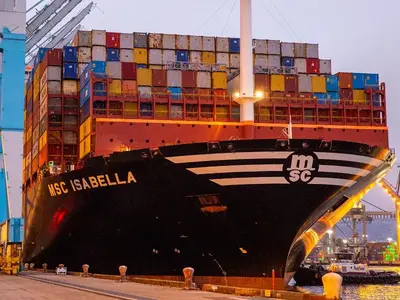 Witness History! MSC Will Become the World's First Shipping Company with a Capacity of 5 Million TEUsJune 13, 2023According to the latest news, shipping consulting firm Alphaliner stated yesterday that MSC will become the world's first shipping company with a capacity of 5 million TEUs as soon as the end of t...view
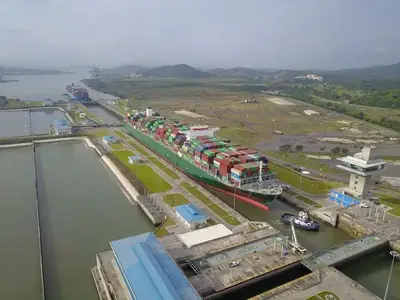 Panama Canal Announces Shipping Restrictions! How Big Is the Impact on International Trade?June 13, 2023It is reported that as an important waterway of global trade, the severe drought is forcing Panama Canal to introduce shipping restrictions, that is, to adjust the draft limit of large ships.view
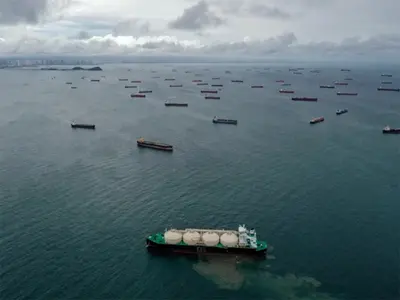 Drought-Hit Panama Canal to Restrict Access for One Year?August 31, 2023Ilya Espino, deputy director of the Panama Canal Authority, said that if the area where the canal body of water is located does not receive enough rain in the next few months, the ship restrictions on...view
 Flying High: Exploring the Benefits of Air Shipping from China to USASeptember 26, 2023In the dynamic world of international trade, efficient transportation is key to meeting consumer demands, reducing lead times, and staying competitive. When it comes to shipping goods from China to th...view