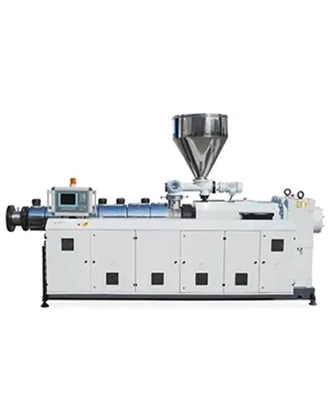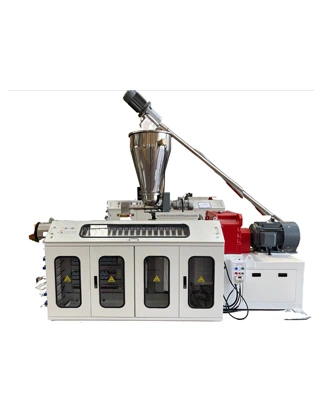
A plastic extruder is a device that uses molten plastic to push through a die and produce a continuous profile to produce a variety of plastic items. Extrusion is a prominent production technique in the plastics sector since it is both extremely effective and economical. The plastic is heated and melted, then mixed, shaped, cooled, and cut into the desired shape as part of the plastic extrusion process. Construction, agricultural, automotive, and packaging are just a few of the industries that employ plastic extruder machines due to their adaptability.
Elephant Fluid Power produces stirring motor BMH500 (replaces OMH500) of the same quality as the original, A11VLO, A4VG series plunger pumps, which are used for pump truck production, repair, maintenance and refurbishment, reducing sales and end-user production costs and increasing productive forces. Elephant Fluid Power has a fast delivery time, provides good technical support and after-sales service, and reduces customers' worries.
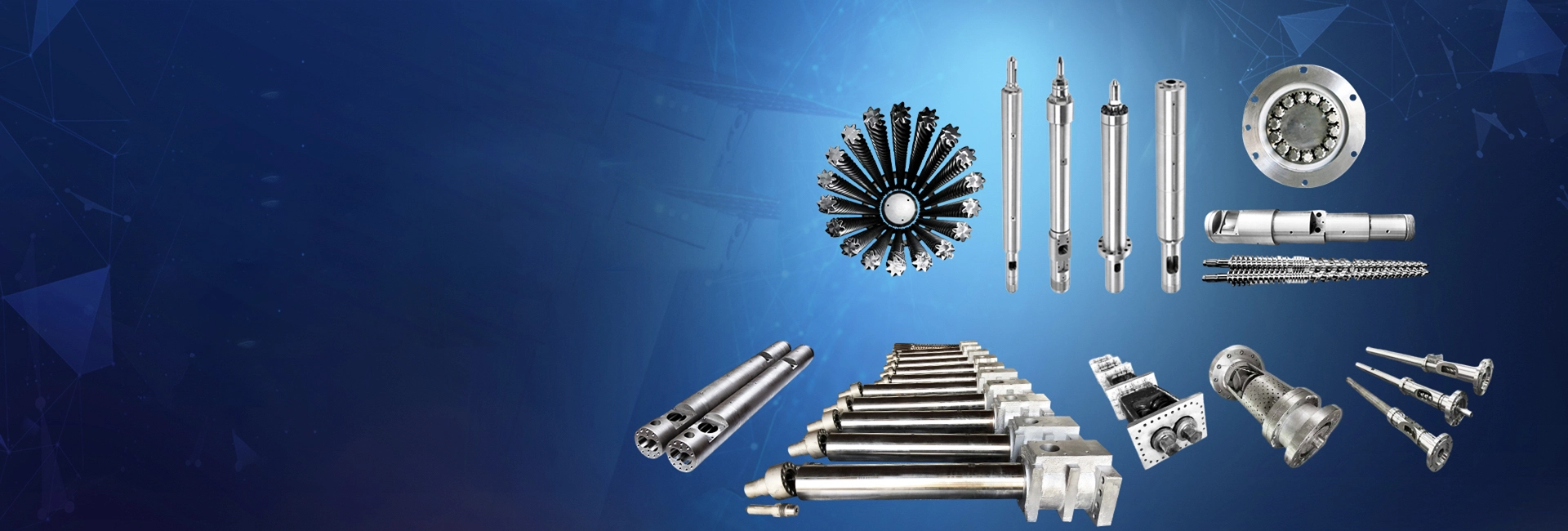
A standard plastic extruder is made up of a hopper, a feeding system, a barrel, a screw, a die, and a cooling system, among other parts. Plastic pellets are put in the hopper to be fed into the extruder. The feeding mechanism regulates how quickly plastic enters the barrel. The barrel holds both the die, which shapes the molten plastic into a continuous contour, and the screw, which compresses and melts the plastic.
As the finished product emerges from the die, the cooling system chills and solidifies it. These elements combine to effectively generate a range of plastic items. The output and caliber of the finished product may be varied by changing the shape and speed of the screw.
A plastic extruder can work with a wide variety of materials, including both thermoplastic and thermosetting materials. Thermoplastics, such as polyethylene (PE), polypropylene (PP), polystyrene (PS), and PVC, are widely used in extrusion due to their ability to be melted and cooled repeatedly without undergoing any chemical change or degradation. Thermosetting plastics, such as phenolic resins, epoxy resins, and melamine-formaldehyde, are used in the extrusion of electrical components and other specialized applications. Moreover, composite materials, including wood-plastic composites and thermoplastic elastomers, have been used extensively in the construction industry. Such versatility makes plastic extruders a cost-effective solution for manufacturing a broad range of products.
E-mail:
Tel:
北京市长安大厦123号
北京市长安大厦123号

 English
 العربية
 русский
 Español
 français
 português
 Deutsch
 italiano
 Türkçe
 한국어
 日本語