English
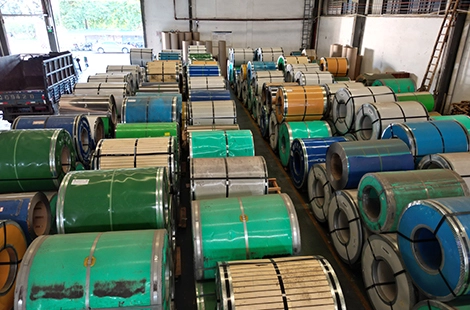
Provide High Quality Stainless Steel Products And One-Stop After-Sales Service

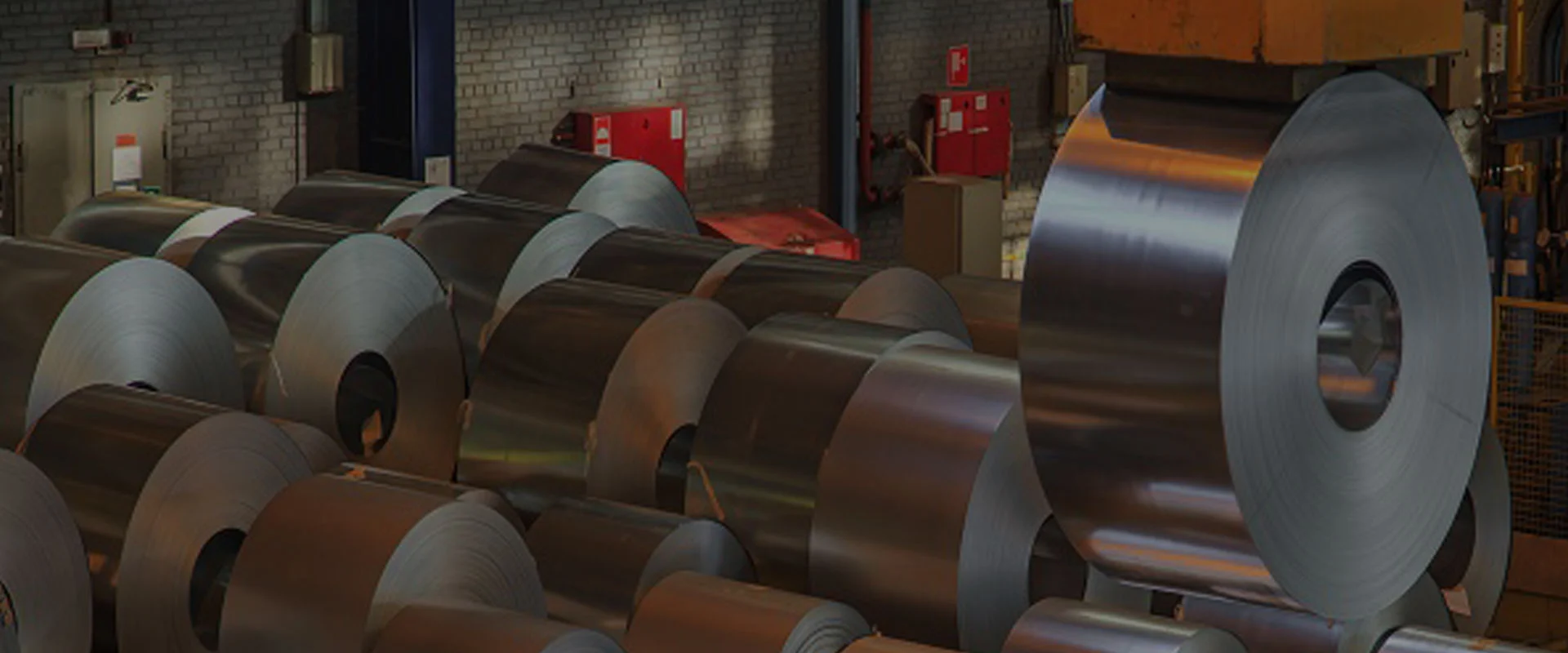
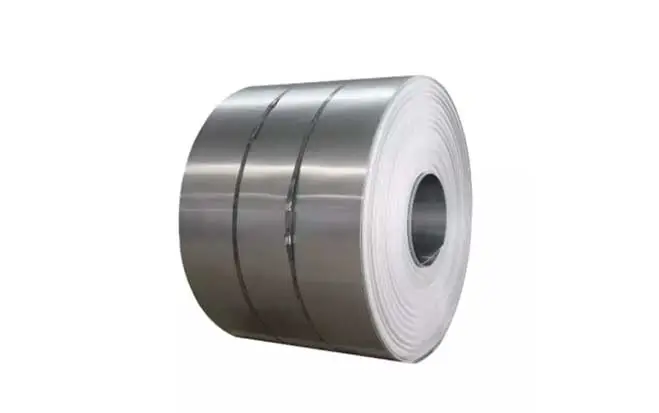
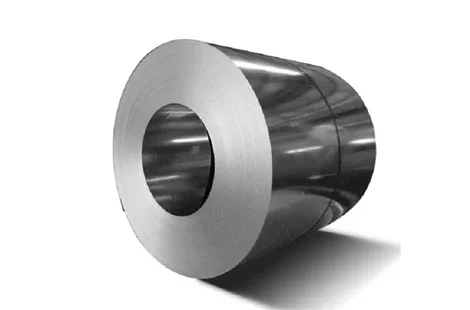
Stainless steel coils are used in a variety of applications, including:
1. Automotive Industry: Stainless steel coils are used for the production of automobile parts, such as exhaust systems, fuel tanks, and brake lines, due to their excellent corrosion resistance and durability.
2. Construction Industry: Stainless steel coils are used for architectural and structural applications, including roofing, cladding, and facades, due to their aesthetic appeal and corrosion resistance.
3. Food Processing Industry: Stainless steel coils are used for the production of processing equipment and storage tanks in the food and beverage industry due to their hygienic properties and resistance to corrosion.
4. Medical Industry: Stainless steel coils are used for the production of medical devices, such as surgical instruments and implants, due to their biocompatibility, corrosion resistance, and strength.
5. Manufacturing Industry: Stainless steel coils are used for the production of various manufacturing equipment, including pollution control equipment, heat exchangers, and chemical processing equipment.
6. Petrochemical Industry: Stainless steel coils are used in the production of pipelines, storage tanks, and heat exchangers for the petrochemical industry due to their excellent resistance to high temperatures and corrosive environments.
7. Energy Generation Industry: Stainless steel coils are used in the production of power generation equipment, such as boilers, heat exchangers, and turbines, due to their resistance to high temperatures and excellent thermal conductivity.
In summary, stainless steel coils have a wide range of uses in different industries due to their unique properties, including corrosion resistance, strength, and durability.
Testing, inspection, and quality control are critical aspects of the production of Stainless Steel Coil, ensuring that the final product meets industry and customer specifications and requirements. Here are some common methods for testing, inspection, and quality control of Stainless Steel Coil:
1. Physical and Chemical Analysis: Stainless Steel Coil undergoes various physical and chemical tests, including tensile and yield strength, ductility, hardness, and chemical composition analysis.
2. Non-Destructive Testing: Non-destructive testing methods, such as ultrasonic testing, magnetic particle inspection, and liquid penetrant inspection, are used to detect defects, cracks, or imperfections in Stainless Steel Coil without damaging the material.
3. Visual Inspection: Visual inspection is used to detect surface defects, such as scratches, dents, or discoloration, and to verify the product's dimensions and tolerances.
4. Quality Control: Quality control measures, such as ISO 9001 certification, are implemented to ensure that the production process meets specific standards and requirements.
5. Surface Protection Tests: Stainless Steel Coil undergoes surface protection tests to determine the effectiveness of corrosion protection and to ensure that the material meets customer requirements.
6. Certifications and Documentation: Manufacturers provide certifications and documentation, such as material test reports and inspection reports, to ensure that the Stainless Steel Coil meets industry and customer specifications.
7. Third-Party Inspection: Independent third-party inspection agencies are often contracted to conduct inspection and testing of Stainless Steel Coil to ensure compliance with industry and customer requirements.
Differences between stainless steel and other metals, such as aluminum or titanium, include:
1. Corrosion Resistance: Stainless steel has superior corrosion resistance compared to aluminum, which corrodes easily in certain environments. Titanium also has good corrosion resistance, but it is not as resistant to acidic environments as stainless steel.
2. Strength: Stainless steel is stronger than aluminum and has a higher tensile strength. Titanium is stronger than stainless steel but is also more expensive.
3. Weight: Aluminum has a lower density than stainless steel or titanium, making it lighter in weight. Titanium is lighter than stainless steel but is also more expensive.
4. Cost: Stainless steel is generally less expensive than titanium but more expensive than aluminum. Titanium is the most expensive of the three metals.
5. Conductivity: Aluminum has excellent thermal and electrical conductivity, making it suitable for applications in electronics and energy generation. Stainless steel and titanium have poor conductivity and are not as suitable for these applications.
6. Magnetism: Stainless steel is magnetic while aluminum and titanium are not.
7. Machinability: Aluminum is easy to machine and has good surface finish, while titanium and stainless steel are more difficult to machine and require specialized tools and techniques.
In summary, stainless steel is a cost-effective and durable option with excellent corrosion resistance for many applications. Aluminum is a lightweight option with high conductivity, and titanium is a strong and lightweight option that is more expensive than stainless steel.
The global market for Stainless Steel Coil is anticipated to grow in the coming years due to the increasing demand for stainless steel products across various industries. Here are some of the market trends and future prospects of Stainless Steel Coil:
1. Increasing Demand: There is a growing demand for stainless steel products, including Stainless Steel Coil, due to their excellent properties such as corrosion resistance, durability, and versatility.
2. Construction Industry: The construction industry is a major user of Stainless Steel Coil for architectural and structural applications, such as roofing, wall cladding, and facades.
3. Automotive Industry: The automotive industry also uses Stainless Steel Coil, particularly for the production of exhaust systems, mufflers, and catalytic converters.
4. Chemical Industry: The chemical processing industry is another major user of Stainless Steel Coil due to its ability to withstand corrosive environments and high temperatures.
5. Developing Countries: The emerging economies of Asia, Africa, and South America are driving demand for Stainless Steel Coil as these regions experience rapid industrialization and urbanization.
6. Technological Advancements: Advances in production processes, such as the use of automation, are improving the efficiency and quality of Stainless Steel Coil production, resulting in decreased costs and making it more accessible to a wider range of customers.
7. Environmental Awareness: Growing environmental concerns and awareness are driving the use of eco-friendly materials, and Stainless Steel Coil is a highly recyclable material that can be reused without losing its properties, making it an attractive option for sustainable construction and manufacturing.
In summary, the demand for Stainless Steel Coil is expected to continue growing in various industries due to its excellent properties and versatility. The emergence of developing countries, focus on sustainability, and technological advancements are driving the market's growth in the coming years.