English
Provide High Quality Stainless Steel Products And One-Stop After-Sales Service

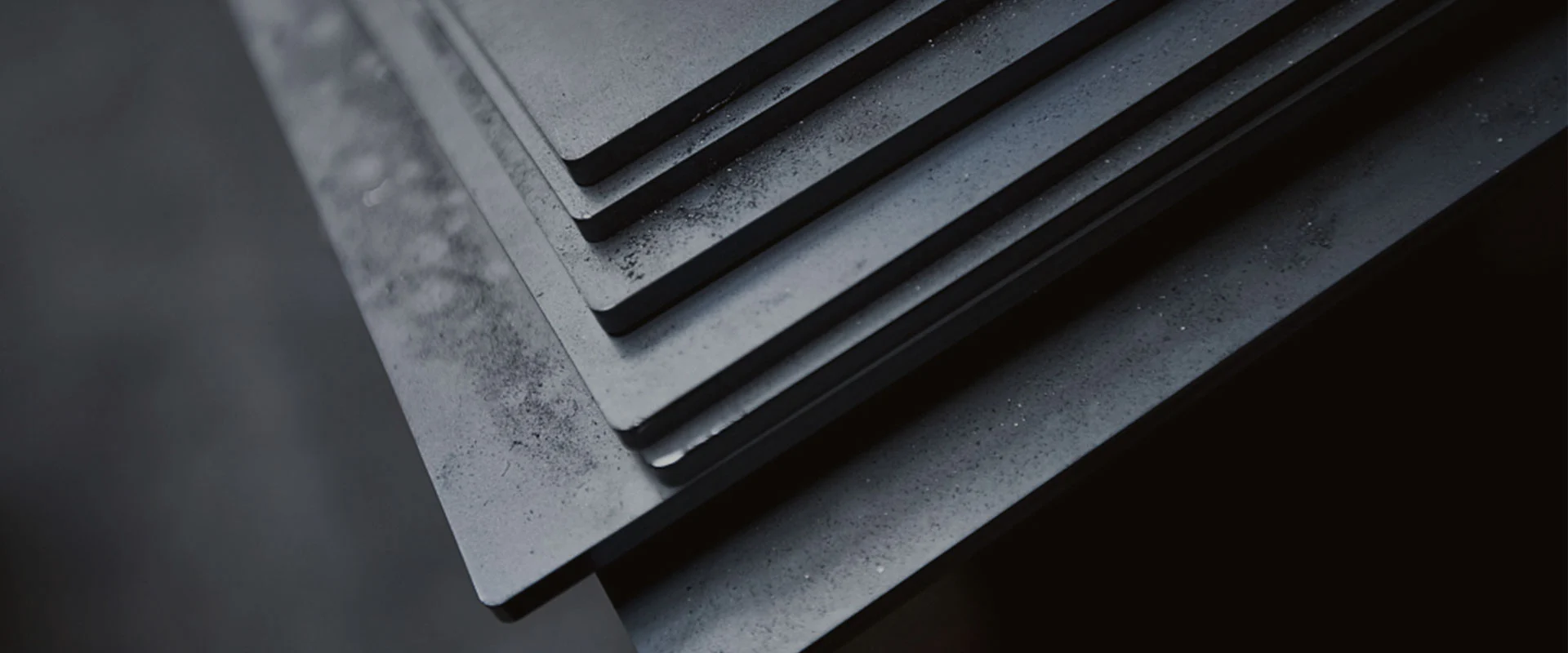
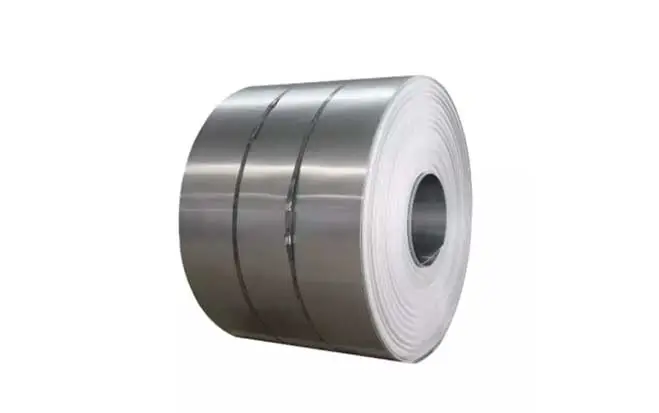
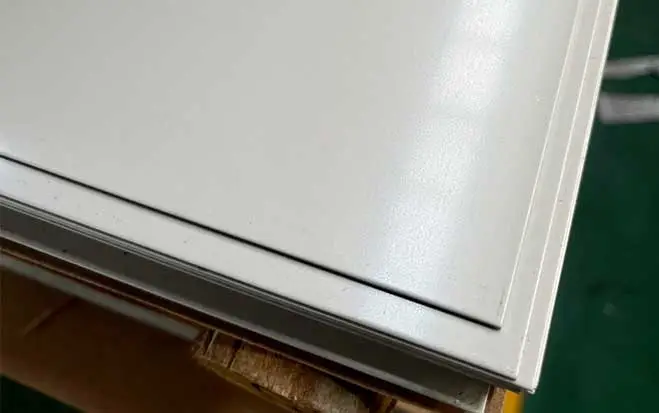
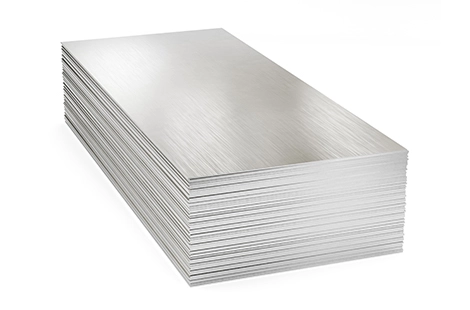
Stainless steel sheet is a flat, rectangular piece of stainless steel that is used in various industries. It can be cut, bent, and formed into different shapes and sizes for applications such as appliances, roofing, and construction.
Stainless steel sheet is a flat, rectangular piece of stainless steel that is used in various industries. It can be cut, bent, and formed into different shapes and sizes for applications such as appliances, roofing, and construction.
1. Chemical Composition: 304 stainless steel contains 18% chromium and 8% nickel while 316 stainless steel contains 16% chromium, 10% nickel and 2% molybdenum.
2. Corrosion Resistance: Both 304 and 316 stainless steel are corrosion-resistant, but 316 stainless steel provides better resistance to pitting and corrosion from chloride solutions, making it ideal for marine or harsh chemical environments.
3. Weldability: Both 304 and 316 stainless steel are weldable, but 316 stainless steel requires more attention during welding to ensure proper corrosion resistance.
4. Temperature Resistance: Both 304 and 316 stainless steel have good temperature resistance, but 316 stainless steel provides better performance under high-temperature conditions.
5. Strength and Durability: 316 stainless steel is generally stronger and more durable than 304 stainless steel due to its higher nickel, chromium, and molybdenum content.
6. Cost: Because of their differences in chemical composition and performance, 316 stainless steel is typically more expensive than 304 stainless steel.
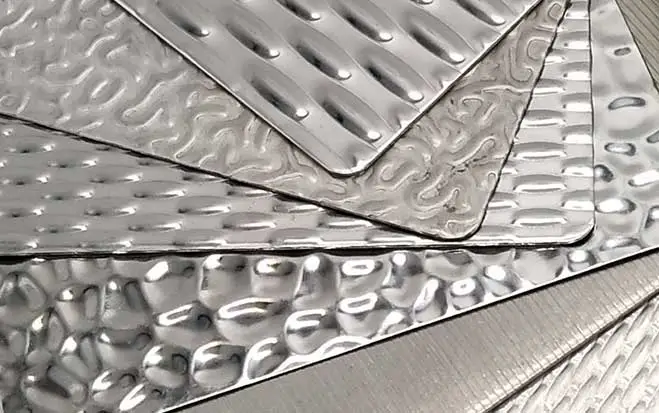
There are various finishes available for stainless steel sheets, which affect their appearance and texture. Some of the common finishes include:
1. 2B finish: This is a smooth, matte finish that is used for general applications.
2. No. 4 finish: This is a brushed finish that creates a textured, satin-like appearance and is often used for decorative or architectural applications.
3. No. 8 finish: This is a mirror finish that provides a highly reflective surface and is often used for decorative applications.
4. BA finish: This is a bright annealed finish that gives a highly reflective surface that is similar to a mirror finish.
5. Titanium-coated finish: This finish is achieved through a process of coating the stainless steel sheet with a layer of titanium, which can create a range of colors and textures.
6. Colored finish: This finish involves coloring the stainless steel sheet through a process of vapor deposition, electroplating, or painting.
7. Bead-blasted finish: This finish is created by blasting the surface of the stainless steel sheet with small glass beads, creating a uniform matte texture.
8. Etched finish: This finish involves etching a pattern or design into the surface of the stainless steel sheet, creating a decorative or artistic effect.
The choice of finish will depend on the intended application, aesthetic requirements, and desired texture or appearance.
Stainless steel sheets have a wide range of applications due to their durability, strength, and corrosion resistance. Some of the common applications of stainless steel sheets include:
1. Construction: Stainless steel sheets are widely used in construction for roofing, wall cladding, and structural components.
2. Automotive: Stainless steel sheets are used for car and truck bodies, exhaust systems, and decorative trim.
3. Medical: Stainless steel sheets are used for surgical instruments, medical equipment, and pharmaceutical applications.
4. Food processing: Stainless steel sheets are used for food processing equipment, storage tanks, and processing machinery.
5. Aerospace: Stainless steel sheets are used for aircraft and space vehicles, such as fuel tanks and fuselage parts.
6. Industrial: Stainless steel sheets are commonly used in industrial applications, ranging from chemical processing machinery to pumps and valves.
7. Architectural: Stainless steel sheets are often used in architectural applications for decorative purposes, such as facades, railing systems, and sculptures.
8. Marine: Stainless steel sheets are widely used in marine applications, including boat fittings, bars, and rails, due to their corrosion resistance in saltwater environments.
9. Energy: Stainless steel sheets are used for various energy applications, such as solar panel frames and nuclear power plant components.
Overall, the versatility of stainless steel sheets makes them an ideal choice for many applications in different industries.
Stainless steel sheets are generally easy to clean and maintain. Here are some tips for cleaning and maintaining stainless steel sheets:
1. Regular cleaning: Stainless steel sheets should be cleaned on a regular basis to remove dirt, grime or any other foreign substances that can contribute to corrosion. Use a mild soap and water solution or a specialized stainless steel cleaner to remove any residue or contaminants.
2. Avoid scratches: Avoid using abrasive tools, such as steel wool, on stainless steel sheets as they can cause scratches. Scratches can trap dirt and lead to corrosion.
3. Soft cleaning tools: Use non-abrasive cleaning tools, such as soft cloths, sponges, or scrubbers. This will prevent scratches and damage to the stainless steel surface.
4. Avoid harsh chemicals: Avoid using harsh chemicals, such as bleach, ammonia, or chlorine, on stainless steel sheets as these can damage the surface finish and cause discoloration or corrosion.
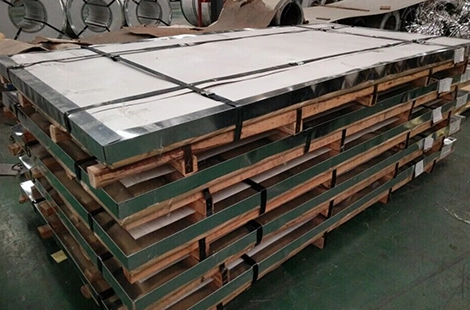
5. Proper storage: Stainless steel sheets should be stored in a cool and dry place to prevent moisture and humidity that can lead to rust or other types of corrosion.
6. Polishing: To maintain the shine of stainless steel sheets, some applications may require polishing using a specialized stainless steel polish. This helps to remove any stains and restore the shine of the surface finish.
Overall, stainless steel sheets are relatively low maintenance and can be easily cleaned using simple household or specialized cleaners.