English
 中文
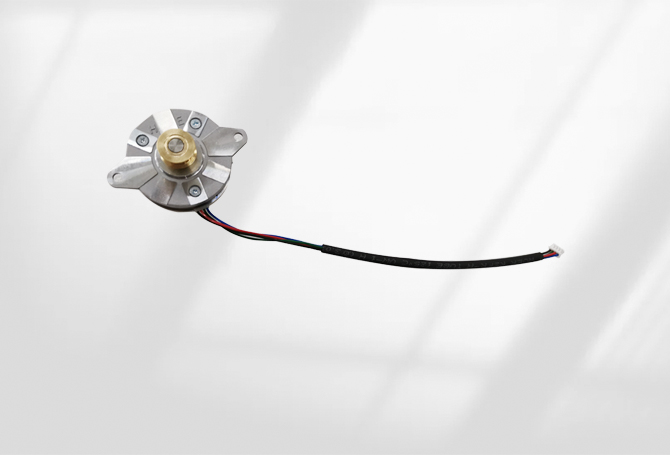
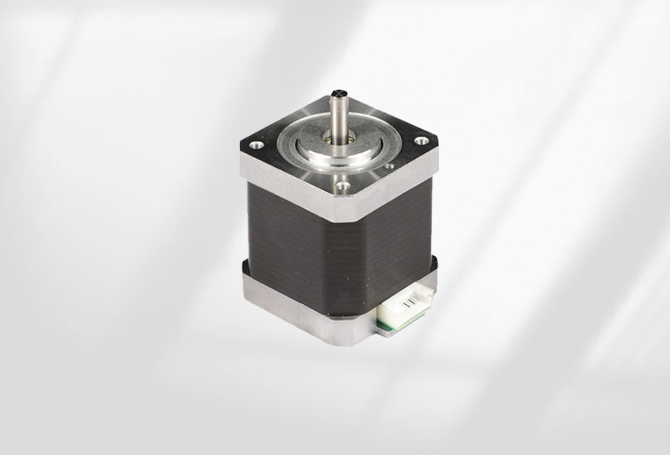
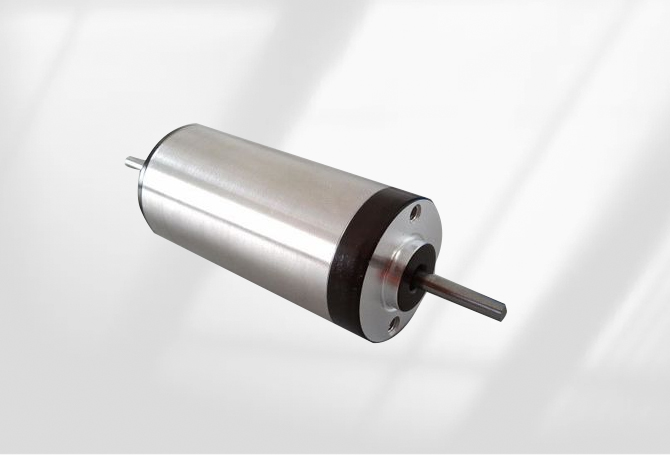
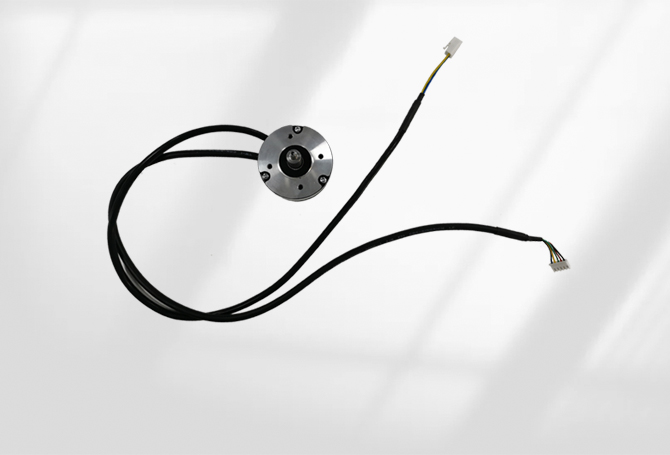
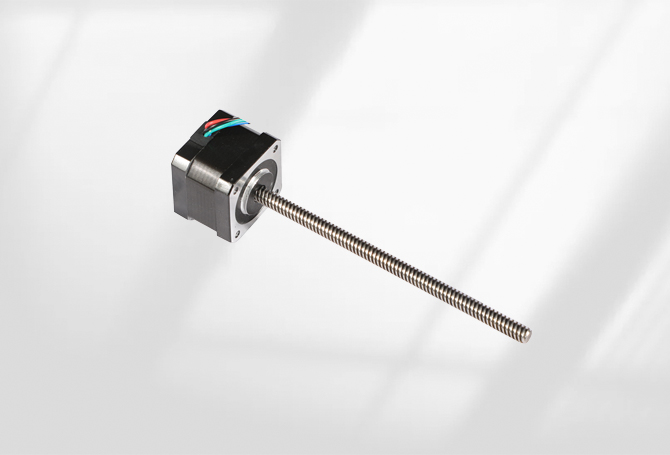

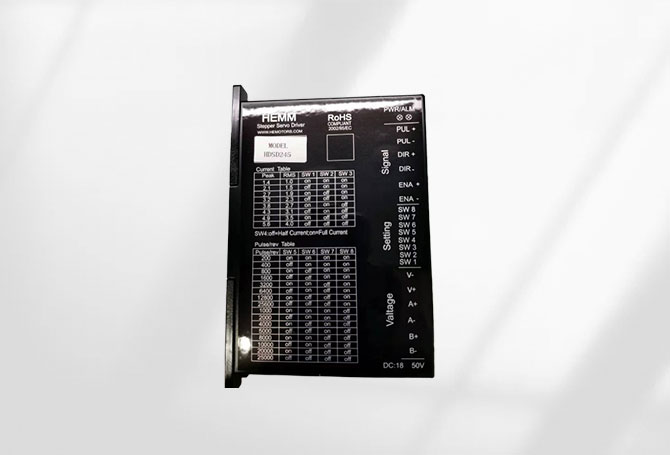
A stepper motor is a motor that converts electrical pulse signals into corresponding angular displacement or linear displacement. As a special motor for control, it cannot be directly connected to the dc or ac power supply to work, and a dedicated drive power must be used - a stepper motor driver. There are many types of stepper motor drivers, such as bus drivers, pulse direction drivers, and so on. So, how to choose stepper drives?
Generally speaking, when the stepper motor has been confirmed, we mainly choose the stepper motor driver according to the current, subdivision, and supply voltage of the motor.
The torque of the selected stepper motor driver must meet the use of the motor.
Because the output current of the general driver can be set within a certain range, if the output current of the selected driver cannot meet the rated current of the motor, the output torque of the motor may be insufficient.
The output voltage of the stepper motor driver should be within the range of use of the motor, and it should be considered that the stepper motor cannot be over-voltage during sudden braking, that is, a certain voltage space should be reserved to prevent back electromotive force.
The stepper motor driver must be two-phase. If the motor is three-phase, the step angle is 1.2°. Must be three-phase.
The maximum speed of the stepper motor driver cannot be lower than the maximum speed of the motor.