Call Me
13888888888
13888888888

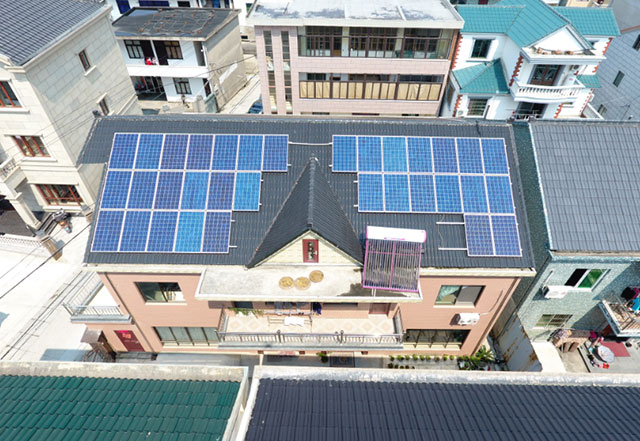
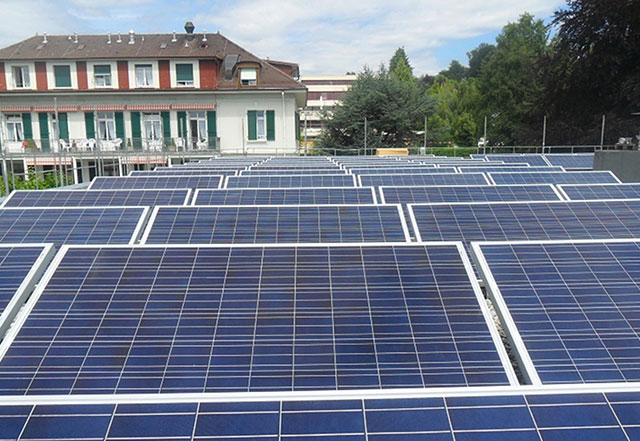
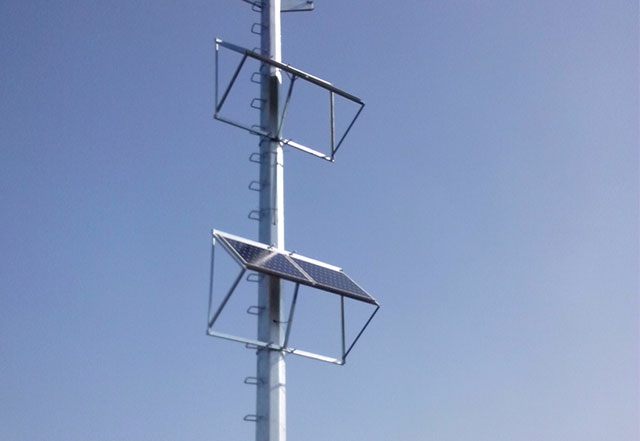
Photovoltaic power is separated into two categories based on its connection to the electricity grid: stand-alone photovoltaic power and grid-connected photovoltaic power. The DC and AC power generated is directly provided to the load via stand-alone photovoltaic power, which is not connected to the power system and is independent of the entire system. The produced power is sent directly to the load. Grid-connected photovoltaic electricity, on the other hand, functions as a power plant, delivering both active and reactive power to the grid.
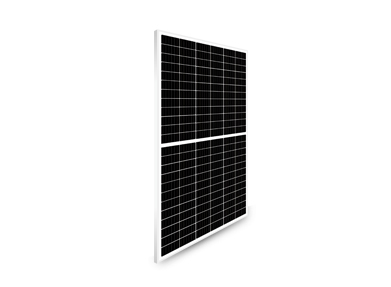
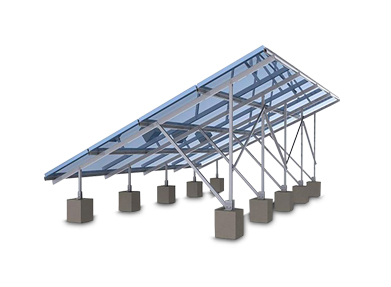
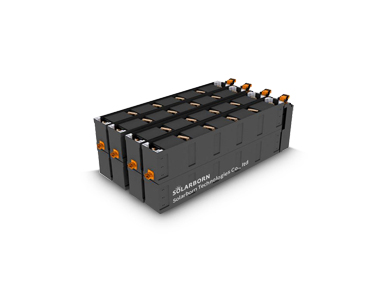
Solar arrays, batteries, inverter components, controllers, and loads make up stand-alone photovoltaic power systems (DC and AC loads). Because the solar cells create DC power and the light intensity fluctuates in real time, the voltage output from the solar cells is unstable, thus the battery must act as a filter to keep the voltage from the solar cells steady at the battery voltage value. Excess power can also be stored in the battery for usage when the light intensity is low. If the load is DC, it may be connected directly to the battery; if the load is AC, it must be converted from DC to AC and delivered to the AC load through a DC-AC converter.
A solar array, an inverter module, a controller, and a load make up a grid-connected photovoltaic system. Because the PV-generated electricity must be supplied back into the grid, the DC power must be converted to the grid's high voltage AC power, such as 220V or 380V, and linked to the grid in the same phase to deliver power to the grid.