Call Me
13888888888
13888888888

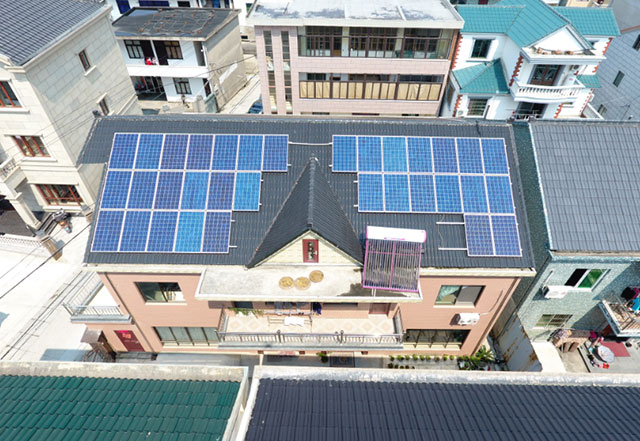
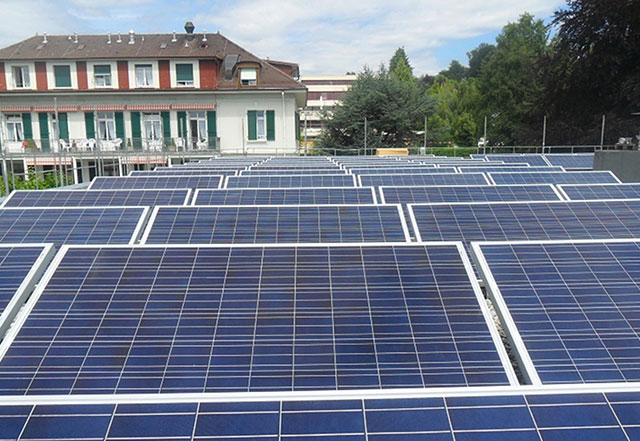
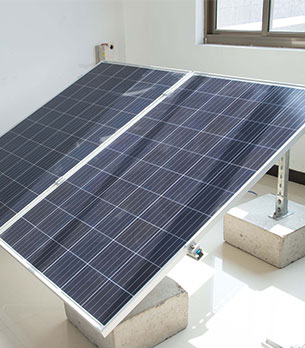
The coupling of solar power generation with buildings is garnering more and more attention as distributed photovoltaics develops. PV systems may only be installed in urban locations if the building's effective area is used. Building photovoltaic systems are solar power producing systems that are mounted on buildings, which is called Building Mounted Photovoltauc (abbreviated: BMPV).
It can generate and use electricity locally, reducing the cost and loss of electricity transportation to some extent. It effectively uses the exterior area of the building without taking up space, saving land resources. As the PV array absorbs solar energy, it lowers the temperature of the roof or wall, improving the indoor environment, reducing the air-conditioning load, and effectively reducing the building's conventional energy consumption. During the day, the PV array absorbs solar energy, lowering the temperature of the roof or wall, effectively reducing the conventional energy.
The first is to attach PV modules to the building, which is known as BAPV (Building Attached Photovoltaic) and is commonly utilized when putting PV systems on existing structures. The other is a Building Inte-grared Photovoltaic System (BIPV), which is a solar energy generating system that is planned, built, and installed at the same time as the building and is completely integrated with it.
The function of BAPV is to generate electricity, and it does not conflict with the function of the building. It does not destroy or weaken the original building's function, and it has no other function. BIPV as a building exterior can enhance the building's aesthetics and form a perfect unity with the building.
The following are some of the benefits of BIPV: the building itself can serve as a support structure for the PV power generation system. The PV modules replace the building envelope, reducing construction materials and labor costs. The use of PV modules as a new building envelope material improves the building's aesthetics and makes it more marketable.